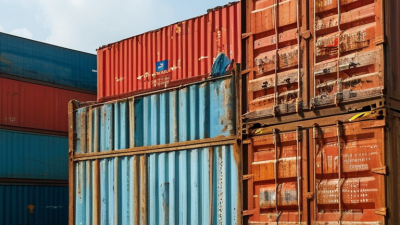
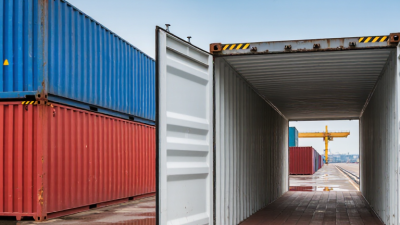
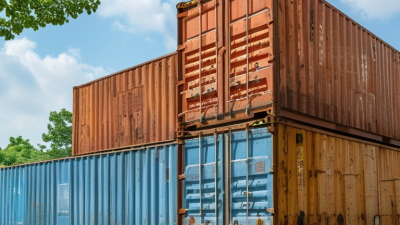
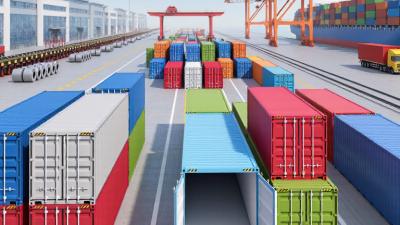
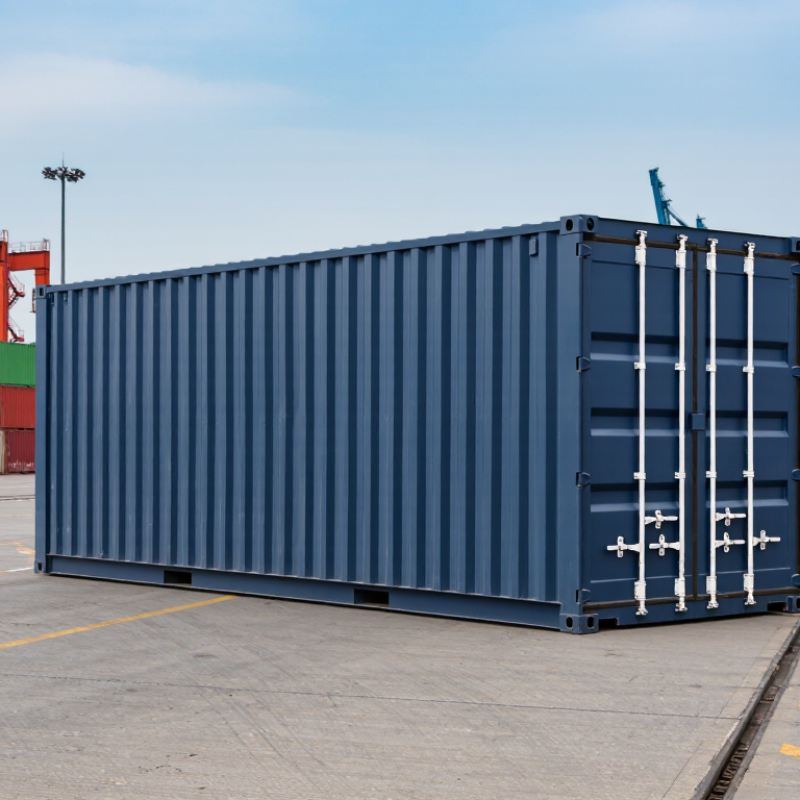
A conex shipping container is a reusable steel box designed for moving, storing, and protecting cargo. The name comes from the Container Express system used by the U.S. military in the 1950s. Today, “conex” commonly describes an intermodal container, especially the familiar 20-foot and 40-foot units. These boxes transfer between ships, trains, and trucks without unloading their contents. That simple change transformed freight handling.
Scale explains its importance. UNCTAD’s Review of Maritime Transport 2024 states that maritime shipping carries over 80% of global merchandise trade by volume. The report also highlights continuing investment in larger vessels, ports, and container infrastructure. A standard 20-foot unit offers roughly 33 cubic meters of internal space, although usable capacity depends on packaging and weight limits. Inside, corrugated steel walls, locking doors, and a raised floor create a rugged transport shell. The details matter.
Not every steel box deserves the same description. A cargo-worthy conex shipping container should have sound corner castings, functional door seals, and no serious structural distortion. The Convention for Safe Containers, or CSC, provides an internationally recognized safety framework for units used in transport. BIC data and ISO container standards help operators identify dimensions, markings, and handling requirements. Still, terminology is not perfectly consistent across suppliers. Some sellers use “conex” for older storage boxes that may not meet current transport needs. That distinction is easy to miss. A careful buyer checks the identification plate, inspection history, floor condition, and intended route before choosing a container. Practical judgment remains essential.
A Conex shipping container is a strong, reusable steel box designed to move cargo between transport systems. It can travel by truck, rail, or ship without unloading the goods inside. The term usually describes a standardized intermodal container, often made with steel walls, reinforced corner fittings, and locking doors.
The meaning is practical, but the terminology can be imperfect. Some people use “Conex” for almost any standard freight container. Others use it for older military-style units. Sizes vary, with common models measuring about 20 or 40 feet long. A weather-resistant container is not automatically waterproof forever. Seals, roof panels, and floorboards can weaken through age, impact, or poor storage. From an inspection perspective, small details matter. Check for standing water, sharp rust, bent doors, and damaged locking bars. A clean appearance can mislead you.
What Is a Conex Shipping Container?
The Conex container began as a practical military response after World War II. Earlier cargo systems used wooden crates and different-sized metal boxes. Loading them took time, space, and considerable manual effort. In the late 1940s, engineers developed a stronger, reusable steel container for transporting supplies. Its name came from “Container Express,” reflecting its focus on speed and organization.
Early Conex units were smaller than many modern shipping containers. They often measured about eight feet long and included doors, lifting points, and reinforced corners. Soldiers could move supplies between trucks, trains, ships, and storage areas with fewer repacking steps. That change mattered. It reduced handling damage and improved inventory control in difficult field conditions.
The design later influenced international intermodal containers. Standard dimensions made cranes, railcars, and cargo ships work together more efficiently. Modern units may include ventilation, insulated panels, side access, or specialized interiors. However, not every container performs equally well. Field inspections can reveal rust beneath fresh paint, damaged floorboards, or weakened door seals. This is where the history becomes useful. A Conex container is not simply a steel box; it is a logistics solution shaped by repeated practical problems. Its development also shows an imperfect lesson: standardization improves transport, but maintenance still determines reliability.
What Is a Conex Shipping Container?
Standard Sizes, Designs, and Structural Features
A conex shipping container is a reusable steel unit designed for secure cargo movement and storage. The most common lengths are 20 and 40 feet. Both are usually 8 feet wide and 8 feet 6 inches high. High-cube designs add about one foot of interior height. A 20-foot container typically offers around 33 cubic meters of internal space, while a 40-foot model provides nearly 67 cubic meters. Actual capacity varies with wall thickness and door design.
The structure depends on a strong corner frame, not only the corrugated steel panels. Vertical corner posts carry stacked loads, while top and bottom rails connect the frame. Corrugated sidewalls resist bending and reduce panel weight. Heavy swing doors use locking bars, hinges, and rubber seals. The floor often combines treated timber with steel cross members. It feels solid underfoot, but moisture can still cause hidden damage.
Design choices affect everyday use. Standard units suit general storage, while open-side or double-door designs improve access for long equipment. Ventilation openings help reduce condensation, although they cannot solve every climate problem. Check the floor, roof seams, door alignment, and corner posts before purchase. A quick visual inspection can miss corrosion beneath paint. That is an easy mistake. Measurements may also differ slightly between units, so confirm the internal dimensions before planning shelves, insulation, or machinery.
| Data Dimension | Standard Information | Typical Specification | Structural or Practical Significance |
|---|---|---|---|
| Definition | Conex shipping container | A reusable, intermodal freight container designed for transporting and storing cargo | It can be moved between ships, trains, and trucks without unloading the cargo inside. |
| Common Standard | ISO freight container | Manufactured to internationally recognized dimensions and handling requirements | Standardized corner fittings and dimensions allow compatible lifting and securing equipment to be used worldwide. |
| Standard Length | 20-foot container | Approximately 20 ft long × 8 ft wide × 8 ft 6 in high 6.06 m × 2.44 m × 2.59 m |
Often selected for compact cargo loads, dense goods, and locations with limited space. |
| Standard Length | 40-foot container | Approximately 40 ft long × 8 ft wide × 8 ft 6 in high 12.19 m × 2.44 m × 2.59 m |
Provides roughly twice the internal floor length of a 20-foot unit and is widely used for larger shipments. |
| Increased Interior Height | 40-foot high-cube container | Approximately 40 ft long × 8 ft wide × 9 ft 6 in high 12.19 m × 2.44 m × 2.90 m |
Offers about 1 ft more exterior height than a standard container, increasing internal cubic capacity. |
| Exterior Width | Most general-purpose containers | Approximately 8 ft, or 2.44 m | This common width supports standardized road, rail, vessel, and terminal handling systems. |
| Interior Width | Typical usable width | Approximately 7 ft 7 in to 7 ft 8 in 2.32 m to 2.35 m |
The internal width is reduced by the corrugated side walls and structural framing. |
| Interior Length | Typical usable length | 20-foot unit: approximately 19 ft 4 in 40-foot unit: approximately 39 ft 5 in |
Actual internal dimensions vary slightly according to wall thickness, floor construction, and manufacturer tolerances. |
| Door Opening | Rear cargo doors | Typical opening width: about 7 ft 8 in Typical opening height: about 7 ft 5 in for standard height units |
High-cube units generally provide a taller door opening, making them more suitable for tall pallets and equipment. |
| Exterior Material | Side and end panels | Corrosion-resistant weathering steel with corrugated panel profiles | Corrugation improves panel stiffness while the steel shell protects cargo from common outdoor conditions. |
| Floor Construction | Raised cargo floor | Marine-grade plywood or similar engineered wood panels supported by steel cross members | The floor is designed to withstand concentrated cargo loads and repeated handling with forklifts or pallet equipment. |
| Corner Fittings | Eight standardized corner castings | Four at the top and four at the bottom | Corner castings are used for lifting, stacking, locking, and securing the container during transportation. |
| Primary Frame | Steel perimeter frame | Top rails, bottom rails, end posts, and corner posts | The frame carries major stacking and lifting forces and helps maintain the container's shape. |
| Door Design | Outward-opening cargo doors | Usually a pair of hinged steel doors with locking bars and cam handles | The full-width opening facilitates loading while the locking hardware helps create a secure closure. |
| Weather Protection | Sealed enclosure | Door gaskets, sealed joints, protective coatings, and roof panels | These features help limit the entry of rain, dust, and outside air when the container is properly closed. |
| Ventilation | Passive ventilation | Small covered vents positioned in the side walls | Ventilation helps reduce condensation buildup while limiting direct water entry under normal conditions. |
| Typical Tare Weight | Empty container weight | 20-foot unit: approximately 2,200–2,400 kg 40-foot standard unit: approximately 3,700–4,000 kg |
Exact tare weight depends on the design, steel thickness, floor materials, doors, and equipment fitted to the unit. |
| Typical Maximum Gross Mass | Container plus cargo | Commonly up to approximately 30,480 kg for many standard units | The permitted gross mass must be confirmed from the container safety plate and the applicable transport regulations. |
| Payload Capacity | Maximum cargo weight | Often about 28,000 kg for a 20-foot unit and about 26,000–28,000 kg for a 40-foot unit | Payload is calculated by subtracting tare weight from the permitted maximum gross mass and may be limited by road or rail rules. |
| Stacking Capability | Vertical stacking | Designed for stacking through the corner fittings when properly loaded and secured | Stacking strength enables efficient storage in ports, terminals, warehouses, and cargo vessels. |
| Handling Methods | Intermodal handling | Top-lift, bottom-lift, spreader, chassis, crane, and container-handling equipment | Handling must use compatible lifting points and follow the container's safety and operating requirements. |
| Common Designs | General-purpose, high-cube, open-top, side-opening, refrigerated, and tank formats | Design selection depends on cargo dimensions, access requirements, temperature control, or liquid handling | General-purpose and high-cube units are the most common choices for dry cargo and storage applications. |
| Identification Plate | Safety and certification information | Typically lists identification details, tare weight, maximum gross mass, and inspection or approval information | The plate should be checked before transport, lifting, stacking, or conversion work. |
| Typical Applications | Freight transport and secure storage | Dry cargo shipping, site storage, temporary workshops, modular rooms, and equipment enclosures | Any conversion or structural modification should account for ventilation, drainage, loading, and the container's original frame. |
What Is a Conex Shipping Container?
Common Uses in Shipping, Storage, and Construction
A conex shipping container is a reusable steel box built for intermodal freight. The same unit can travel by ship, rail, and truck without unloading its cargo. Standard corner fittings allow lifting equipment to move it safely. Most units are about 20 or 40 feet long, though sizes and conditions vary. The term “conex” is common in North America, while “shipping container” is more widely used.
In shipping, it protects boxed goods, machinery, and materials from weather during long transfers. Dry containers suit general cargo, but temperature-sensitive goods need qualified equipment and monitoring. For storage, a conex offers fast, lockable space at farms, warehouses, and renovation sites. A level base matters. Poor drainage can trap water beneath the floor and accelerate corrosion. Ventilation also deserves attention, especially when daily temperature changes create condensation.
Construction teams use containers as tool rooms, temporary offices, workshops, and site shelters. Doors, windows, insulation, and electrical systems can be added, but modifications affect strength and safety. A professional inspection should check the floor, roof, locking bars, welds, and signs of residue before reuse. Not every container is a good building module. Some plans overlook delivery access, crane clearance, or local approval requirements. That mistake can make a cheap unit expensive to relocate. Confirm dimensions, load limits, ventilation, and placement conditions before committing.
What Is a Conex Shipping Container?
A Conex shipping container is a reusable steel cargo box built around standardized dimensions. ISO 668 defines its external measurements, corner fittings, and handling requirements. Common 20-foot and 40-foot units support efficient transport, storage, and site logistics. UNCTAD’s Review of Maritime Transport 2023 recorded approximately 866 million TEUs in global container-port throughput during 2022. That volume reflects the container’s practical value, not unlimited flexibility.
Advantages, Limitations, and Selection Considerations
Steel walls provide strong protection against rain, impact, and repeated handling. A sound used container can also cost less than constructing permanent storage. However, corrosion, condensation, damaged floors, and leaking door seals remain frequent concerns. The box is not a magic solution. Internal width can restrict forklifts, shelving, or bulky equipment. Uninsulated steel also creates severe heat swings under direct sunlight. That can damage temperature-sensitive contents.
Selection should begin with use, location, and loading method. Check the roof, corner posts, floor, locking bars, and rubber seals in daylight. A simple water test can reveal expensive problems. Verify the tare weight, maximum gross mass, internal dimensions, and available payload. For international transport, confirm the required safety approval plate and inspection status. The World Bank and S&P Global Market Intelligence’s Container Port Performance Index 2023 also highlights how handling efficiency varies sharply between ports. Therefore, delivery distance and local lifting access deserve equal attention. Buyers often focus on price first. That decision can age badly.