China has become a major source of durable metal shipping containers for global logistics, storage, construction, and industrial projects. Its manufacturers offer different steel grades, dimensions, door systems, coatings, and customization options. However, supplier quality can vary significantly.
This guide examines China’s top 10 metal shipping containers suppliers through practical purchasing criteria. These include factory experience, production capacity, welding quality, corrosion protection, container dimensions, inspection procedures, and export support. A reliable supplier should provide clear drawings, material information, test records, and realistic delivery terms. Site audits and sample inspections can reveal details that online catalogs often hide.
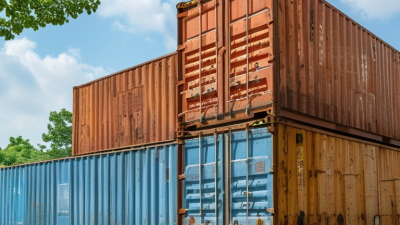
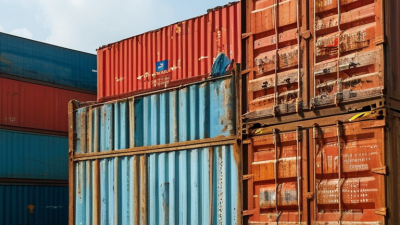
Look closely at the steel surfaces. Uneven welds, thin paint, or poorly fitted doors may create problems during handling and long-term outdoor use. Certification claims also deserve verification from recognized inspection bodies. No ranking is perfect. A supplier that suits a mining project may not fit a retail storage program. Price matters, but the lowest quotation can conceal weaker materials, limited support, or higher maintenance costs.
The companies discussed here are selected for their manufacturing visibility, product range, communication standards, and reported market experience. Buyers should still confirm current certifications, container specifications, loading requirements, and after-sales responsibilities before signing an order. Regional regulations and transport conditions may also affect the final choice. Small details matter. A careful comparison can reduce delays and protect the value of every shipment.
China’s metal shipping container supplier market is structured around manufacturers, fabricators, component partners, and export traders. Large producers usually operate automated welding lines, coating areas, and testing stations. Smaller workshops often provide flexible customization for unusual dimensions or limited orders.
Production clusters commonly develop near steel suppliers, ports, and inland logistics corridors. This reduces transport costs and supports faster access to corner castings, locking bars, flooring, and corrosion-resistant coatings. In practice, supplier capability varies widely. Some factories document steel thickness and weld procedures carefully, while others depend too heavily on visual inspection.
Capacity is uneven. Buyers should review factory records, production samples, material certificates, and inspection reports before signing contracts. A reliable supplier can explain load ratings, dimensional tolerances, drainage design, and coating performance without vague promises. Factory visits also reveal practical details, such as floor cleanliness, weld consistency, and how finished units are protected during storage.
The market is becoming more service-oriented. Suppliers increasingly offer design support, batch tracking, repair guidance, and shipping coordination. Digital quotations are convenient, but they do not replace physical verification. I have found that a polished catalog can hide weak process control. That gap matters. A stronger evaluation combines technical documents, independent inspection, production photographs, and clear responsibility for defects. Price remains influential, yet steel quality, manufacturing discipline, and after-sales responsiveness often determine the real cost of ownership.
This table maps ten supplier segments in China’s metal shipping-container market. The segments are not ranked, and no company names, brand names, or market-share estimates are included.
| Supplier Segment | Typical Products | Typical Customers or Uses | Relevant Standards or Checks | Market Role |
|---|---|---|---|---|
| 1. General-purpose dry container manufacturers | Steel intermodal containers for general cargo, commonly in 20-foot and 40-foot formats. | Shipping lines, leasing companies, freight operators, and exporters. | ISO 668 for container classification and dimensions; ISO 1496-1 for general-purpose container specifications and testing; CSC safety approval where applicable. | Core production segment serving standard cargo transport and container fleets. |
| 2. High-cube container manufacturers | Higher-clearance dry containers, commonly supplied in 40-foot format. | Cargo operators moving bulky, lightweight, or high-volume goods. | ISO 668 dimensional requirements and ISO 1496-1 performance requirements; confirm the actual external and internal dimensions on the specification sheet. | Provides additional internal height compared with standard-height container designs. |
| 3. Refrigerated container manufacturers | Insulated containers with powered refrigeration equipment and temperature-control systems. | Food, pharmaceutical, and other temperature-sensitive supply chains. | ISO 1496-2 for thermal containers; verify temperature range, power requirements, airflow design, and testing documentation for the specific model. | Combines metal container construction with insulation and refrigeration-system integration. |
| 4. Tank container manufacturers | Tank vessels mounted within an intermodal frame for liquid or gaseous cargo, subject to design and regulatory limits. | Chemical, food-grade liquid, and other bulk-liquid logistics operators. | ISO 1496-3 and applicable pressure-vessel, dangerous-goods, inspection, and route-specific requirements. | Specialist segment requiring vessel fabrication, pressure testing, and compliance expertise. |
| 5. Open-top container manufacturers | Containers with a removable roof covering or open-top loading arrangement, depending on design. | Cargo that is difficult to load through standard container doors, including some tall or bulky items. | Applicable ISO 1496 requirements; check roof-cover arrangement, lashing points, payload, and cargo-securing instructions. | Offers top-loading flexibility while retaining an intermodal container format. |
| 6. Flat-rack and platform container manufacturers | Containers with end walls, or platform units, designed for cargo that exceeds standard enclosed-container dimensions. | Project cargo, machinery, vehicles, and other oversized or heavy loads. | ISO 1496-5 for platform and platform-based containers; verify payload, point-load limits, lashing points, and cargo securing. | Serves out-of-gauge and project-logistics requirements. |
| 7. Side-opening container manufacturers | Containers with additional side access through doors or opening panels, subject to the selected configuration. | Warehousing, distribution, and loading operations that need access along the container side. | Check structural design, door operation, weather sealing, payload, and the applicable container approval and test documentation. | Provides alternative loading access; configurations and construction details vary by supplier. |
| 8. Special-purpose container manufacturers | Purpose-designed metal containers for specific cargo, handling, ventilation, or operational requirements. | Industrial, agricultural, infrastructure, and project-based users. | Requirements depend on the design and intended service; confirm drawings, material specifications, load ratings, and any required approvals. | A customization-oriented segment rather than a single standardized product category. |
| 9. Container repair and refurbishment providers | Inspection, steel-panel and door repairs, floor repairs, repainting, and refurbishment of used containers. | Container fleet owners, depots, shipping operators, and buyers of used equipment. | Check the inspection scope, repair records, structural condition, door and seal function, and continuing CSC validity where required. | Supports fleet maintenance and extends the service life of containers. |
| 10. Container component and frame fabricators | Structural frames, corner fittings, doors, locking gear, panels, and other container components. | Container manufacturers, repair depots, and equipment-service businesses. | Verify drawings, material grades, dimensions, weld quality, traceability, and compatibility with the target container design. | Forms part of the upstream supply chain for new production and maintenance. |
Reference note: ISO 668 covers classification, dimensions, and ratings for Series 1 freight containers. ISO 1496 is a series of specifications and tests for different container types. Requirements vary by design and intended use; confirm the current standard edition and required approvals for each purchase.