Buying a 6ft shipping container looks simple until space, safety, and delivery costs enter the decision. A compact unit may fit beside a garage, workshop, or retail site, but small dimensions leave little room for error. Door clearance matters. So does the floor condition.
Global container demand remains substantial. UNCTAD’s Review of Maritime Transport reports that more than 80% of world merchandise trade moves by sea. However, a 6ft shipping container is not automatically suitable for international freight. Many are modified storage units, not standard ISO containers. Buyers should confirm external dimensions, internal clearance, payload, ventilation, and lifting points with the manufacturer. ISO 668 can guide container classification, but it does not replace product-specific documentation.
Market conditions also deserve attention. Container xChange’s market reports regularly show regional differences in availability, depot pricing, and equipment age. A low advertised price may exclude transport, unloading, repainting, or local taxes. That detail is easy to miss. The container may arrive looking clean, yet conceal floor damage or poorly sealed doors.
These six buying tips focus on practical inspection and informed comparison. They cover condition, materials, security, delivery access, supplier credibility, and total ownership cost. The approach follows evidence, not attractive photographs. It also accepts an uncomfortable point: the smallest container is not always the cheapest solution. A careful buyer measures the site first, requests written specifications, and checks the supplier’s warranty before paying a deposit. Small footprint. Big consequences.
6 Best 6ft Shipping Container Buying Tips?
Define 6ft Container Dimensions, Tare Weight, and Usable Volume Precisely
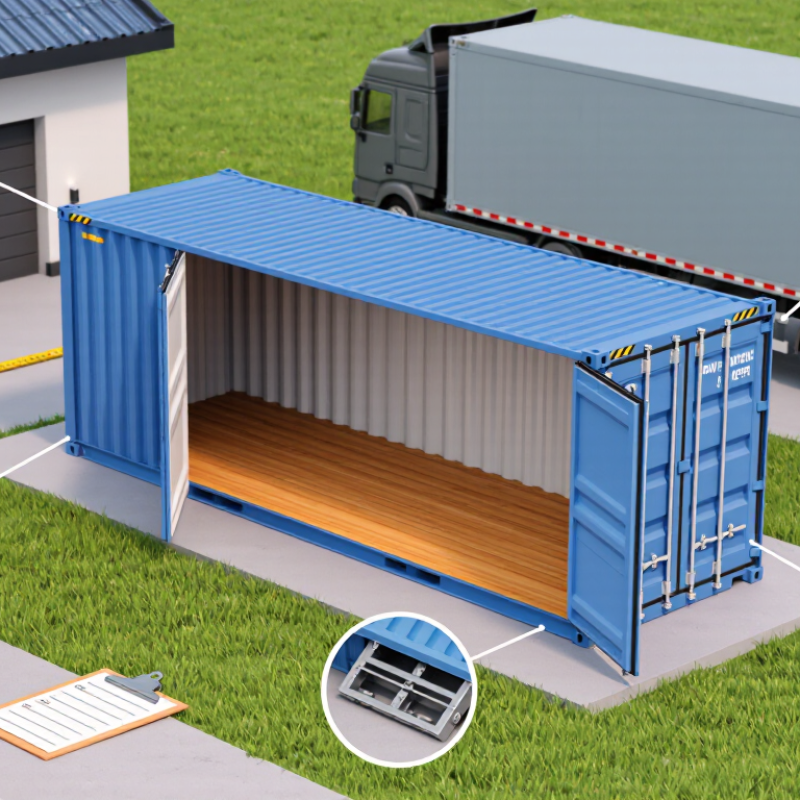
A 6ft shipping container usually measures 6 feet long, 8 feet wide, and 8 feet 6 inches high externally. Internal dimensions are commonly about 5 feet 8 inches long, 7 feet 8 inches wide, and 7 feet 10 inches high. However, steel thickness, corner fittings, and door design can change these figures. Request a dated measurement sheet before ordering.
Its internal gross volume is roughly 9.6 cubic metres. That is not the same as usable volume. Door frames, wall ribs, floor rails, and packing gaps reduce practical capacity. For boxes, plan around 8.5 to 9 cubic metres. Measure your largest item, including handles and protective wrapping. A tape measure prevents expensive surprises.
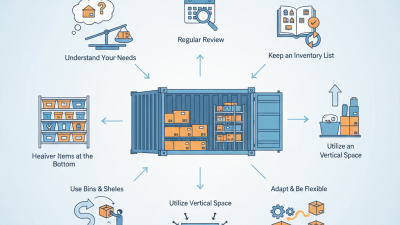
Tare weight often falls between 500 and 750 kilograms for a compact steel unit. Extra doors, shelves, insulation, or reinforced flooring may increase it. Ask for the actual tare weight, not an average estimate. Also confirm maximum payload separately. I once planned storage using the internal volume alone, and the estimate was too optimistic. Leave clearance near the doors for safe loading and ventilation. Check the floor condition, door seals, corrosion points, and lifting pockets in person or through clear inspection photos. Small details matter.
A 6ft container needs more than a fresh paint finish. Confirm whether it is a true freight container or a compact storage unit. Many 6ft models are not standard ISO freight containers, so request a measured drawing. Compare its external length, width, height, door opening, and internal space with ISO 668 references. Small differences can affect transport planning and site access.
Check the CSC plate carefully. It should be permanently attached and easy to read. Review the approval number, manufacturing date, maximum gross mass, stacking load, and racking test load. The plate should match the container’s serial details. Ask for clear photographs before payment. A blurred plate is a warning sign. Do not rely on a seller’s verbal promise.
Inspect all four corner castings. Their positions, openings, welds, and dimensions must suit the intended lifting or securing equipment. Look for cracks, heavy distortion, fresh weld repairs, and severe corrosion around the casting boxes. A tape measure helps, but it is not enough. Use an independent inspection when lifting safety matters. I once overlooked a slightly twisted corner casting because the doors worked smoothly. That mistake would have made handling uncertain. Also check the floor, roof seams, door seals, and locking bars. A container can look excellent and still fail a careful inspection.
6 Best 6ft Shipping Container Buying Tips?
Compare New, Cargo-Worthy, and Wind-and-Watertight Condition Grades
A new 6ft container normally has clean steel, fresh seals, and minimal surface corrosion. It costs more, but it offers predictable performance. A cargo-worthy unit should meet structural requirements for transport, including sound corner posts, doors, and flooring. However, “cargo-worthy” is not always defined identically by every seller. Ask for the inspection date and written criteria.
A wind-and-watertight container protects stored goods from rain and ordinary wind. It may still show dents, patched panels, or an older floor. That condition suits tools, seasonal stock, or garden equipment better than international transport. UNCTAD’s Review of Maritime Transport reports that over 80% of global merchandise trade moves by sea. Transport use therefore demands stronger evidence than simple weather protection.
Check the roof from inside during daylight. Small bright points matter. Operate both doors, inspect the gasket compression, and look beneath the plywood floor. ISO 668:2020 establishes dimensional and strength principles for standardized freight containers, but many 6ft units are modified or non-standard. Confirm external dimensions before delivery. Drewry’s Container Census 2024 records a global container fleet exceeding 50 million TEU, yet fleet scale does not guarantee quality. I once underestimated a tiny rust blister. It later required more repair than expected. Ask for dated photographs, repair records, floor condition, and delivery access measurements before paying.
| Buying Tip | What to Compare | New / One-Trip | Cargo-Worthy | Wind-and-Watertight | Practical Recommendation |
|---|---|---|---|---|---|
| 1. Confirm the actual size | A nominal 6ft container is usually about 6ft long, 8ft wide, and 8ft 6in high. | Typically provides approximately 5ft 5in–5ft 6in of internal length, about 7ft 7in–7ft 8in of internal width, and about 7ft 10in of internal height. | Usually similar external dimensions, but internal space may be reduced slightly by repairs, lining, or structural components. | Dimensions vary by age and manufacturer; request measured internal dimensions rather than relying only on the advertised size. | Measure the delivery route, gate opening, foundation area, and the largest item that must pass through the doors. |
| 2. Check usable capacity and payload | Compare internal volume, door opening, floor strength, tare weight, and permitted load. | A typical internal volume is approximately 320–330 cubic feet, subject to the specific design. The original rating may be higher than what a site foundation can safely support. | May have a valid structural rating, but the buyer should inspect the data plate and obtain the actual tare and maximum gross weight. | Often suitable for storage, but the rating may be incomplete or outdated. Do not assume it is approved for international transport. | Use the supplier’s written specifications and check local ground-loading limits before storing heavy machinery or dense materials. |
| 3. Inspect the doors and seals | Look for smooth operation, straight locking bars, intact gaskets, and a door frame without severe distortion. | Door seals and locking gear should be close to unused condition, with minimal wear and no significant corrosion. | Doors should remain serviceable for cargo use, although seals, hinges, and locking hardware may show normal wear. | Doors should close and lock securely, but gaskets may be aged and could require replacement to improve weather resistance. | Ask for a video of both doors opening, closing, and locking. Replace damaged gaskets before storing moisture-sensitive goods. |
| 4. Verify the condition grade | Condition grades are not always standardized, so request a written inspection report and recent photographs. | Normally the cleanest option, with minimal previous use, limited dents, and little or no structural repair. | Generally structurally sound and suitable for cargo service, but it can have dents, surface rust, patched areas, or a repaired floor. | Expected to keep out ordinary wind and rain when closed, but cosmetic wear and non-structural repairs are common. | Choose the grade based on use: new for appearance and reliability, cargo-worthy for stronger condition requirements, and wind-and-watertight for basic storage. |
| 5. Examine the floor and underside | Check for soft spots, delamination, broken boards, chemical odors, standing water, and corrosion around cross-members. | The marine-grade plywood floor should be firm and clean, with no significant contamination or water damage. | Some wear or repairs may be acceptable, but the floor must remain structurally sound for the intended cargo. | Floor wear can be more noticeable. It may be suitable for general storage but not for food, clothing, or other sensitive goods without additional preparation. | Request underside photographs or an inspection from ground level. Budget for cleaning, sealing, or floor repairs when necessary. |
| 6. Calculate the delivered cost | Compare the unit price with delivery, unloading, permits, foundation preparation, taxes, and possible repairs. | Usually the highest purchase cost, but it can reduce near-term repair, cleaning, and repainting expenses. | Often offers a balance between structural condition and purchase cost, provided the inspection history is clear. | Usually the lowest-cost condition grade, but future spending on seals, paint, rust treatment, or floor work should be included. | Obtain a delivered quotation and confirm whether the price includes a crane, tilt-bed unloading, placement, and removal of transport equipment. |
A six-foot shipping container needs a closer inspection than its size suggests. UNCTAD’s Review of Maritime Transport 2024 states that over 80% of global merchandise trade by volume moves by sea. That journey exposes containers to salt air, rain, impact, and repeated handling. Ask for the unit’s inspection history, not only recent photographs.
Check the flooring against ISO 1496-1 expectations. Boards should feel firm, dry, and level, with no soft patches, exposed fasteners, or oil-soaked areas. Walk across every section. A hollow sound can reveal hidden decay. Door seals should compress evenly around the frame. Close both doors and look for daylight, bent locking bars, or water trails. A simple flashlight test helps. It is not perfect.
Ventilation openings should remain clear and securely protected. Condensation often forms near the roof and corners, so inspect for damp insulation, rust streaks, or a musty smell. The IICL Inspection Manual treats corrosion, structural damage, and weather-tightness as key condition concerns. Pay particular attention to corner posts, roof seams, door headers, and the underside. Surface rust may be manageable; deep pitting or flaking steel needs professional judgment. The International Maritime Organization’s Container Safety Convention framework also emphasizes safe structural condition, but it does not replace a buyer’s inspection. Measure the interior, photograph defects, and record repairs. Small containers can hide expensive problems.
A 6ft shipping container looks simple, but its payload and delivery cost need careful checking. Small units are not always ISO-standardized, so dimensions, tare weight, and maximum gross mass can vary. Calculate usable payload as maximum gross mass minus tare weight, then allow a safety margin for uneven loading. Do not rely on advertised capacity alone. The International Maritime Organization’s container safety framework emphasizes verified gross mass for regulated shipping, although a local storage unit may follow different rules.
Delivery clearance is often the hidden problem. Measure the gate width, turning area, overhead wires, tree branches, and unloading surface. A loaded vehicle may need more than 12 feet of vertical clearance, depending on its equipment. Crane placement also matters. Allow firm ground, safe outrigger space, and a clear lifting radius. A short container still needs a surprisingly large working zone. Ask the supplier for the truck type and lifting plan in writing.
Calculate total landed cost, not just the container price. Include transport, crane hire, permits, taxes, site preparation, and possible waiting charges. UNCTAD’s Review of Maritime Transport 2024 reported continued freight-market volatility after major disruptions, so delivery quotes can change quickly. The World Bank Logistics Performance Index 2023 also shows that border procedures and infrastructure strongly affect logistics reliability. Get a dated quotation. Recheck it before payment. I once underestimated ground preparation; the container was affordable, but the gravel work was not.
This example uses a clearly defined planning scenario: a €1,200 container, €350 delivery, €450 crane handling, €300 site preparation, and 20% tax applied to the pre-tax subtotal. The total landed cost is €2,760. Before ordering, verify the container’s tare weight and maximum gross weight because allowable payload equals maximum gross weight minus tare weight. For delivery, confirm a route at least 3.0 m wide, approximately 4.5 m of overhead clearance, and enough space for the delivery vehicle and crane to set up safely.