How to Utilize Modular Containers for Efficient Space Solutions?
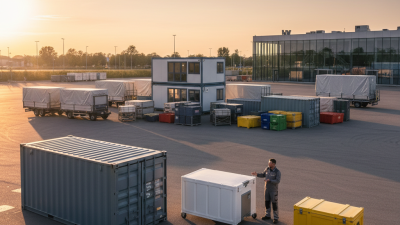
In today’s fast-paced world, space has become a precious commodity. Many individuals and businesses face challenges in finding sufficient room for their operations. This is where modular containers come into play. These versatile units offer innovative solutions that maximize efficiency and minimize wasted space.
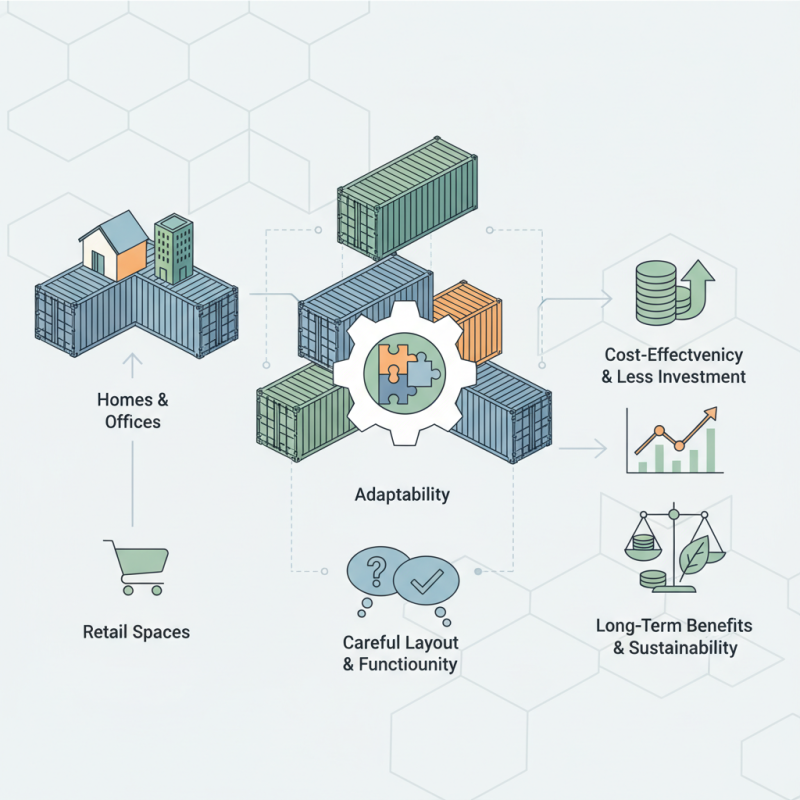
Modular containers can serve various purposes. They can be transformed into offices, homes, or even retail spaces. Their adaptability is significant, allowing for quick redesigns. However, users must carefully consider their layout and functionality. A poorly designed space can lead to inefficiencies. Reflection on these aspects will enhance the overall effectiveness of the setup.
Moreover, the cost-effectiveness of modular containers is appealing. They require less investment compared to traditional buildings. Yet, potential users should weigh the long-term benefits against initial costs. Understanding both pros and cons helps in making more informed decisions. Implementing modular containers is not just about convenience; it’s about creating a sustainable solution for modern needs.
Understanding Modular Containers: Definition and Key Features
Modular containers are innovative solutions that offer versatile space management. These units can be easily transported and assembled. A report by Mordor Intelligence estimated the modular construction market will grow at a CAGR of 6.5% from 2021 to 2026. This interest reflects the need for flexible environments.
The key features of modular containers include their durability and customization. They can withstand various weather conditions, making them suitable for diverse locations. For example, a survey by McKinsey found that modular buildings can be up to 50% faster to construct than traditional methods. Their design allows for quick modifications based on user needs. However, it’s essential to consider the potential limitations in aesthetic appeal compared to traditional structures.
Moreover, modular containers contribute to space efficiency. They can maximize land use, especially in urban settings. The World Economic Forum reported that modular construction can reduce waste by up to 90%. Despite these benefits, some projects might overlook local zoning laws, leading to compliance issues. Utilizing modular containers intelligently requires careful planning and insight into local regulations.
How to Utilize Modular Containers for Efficient Space Solutions?
| Feature |
Description |
Benefits |
| Flexibility |
Modular containers can be easily configured and reconfigured, allowing for varied uses. |
Adapts quickly to changing space needs. |
| Portability |
Can be transported easily by truck, train, or ship. |
Ideal for temporary sites or remote locations. |
| Cost-Effectiveness |
Lower construction and maintenance costs compared to traditional buildings. |
Saves budget while providing essential space solutions. |
| Sustainability |
Often constructed from recycled materials and can be repurposed. |
Reduces environmental impact and promotes green practices. |
| Rapid Deployment |
Quick assembly and setup; can be ready for use shortly after delivery. |
Minimizes downtime and expedites project commencement. |
The Growing Demand for Modular Containers in Various Industries
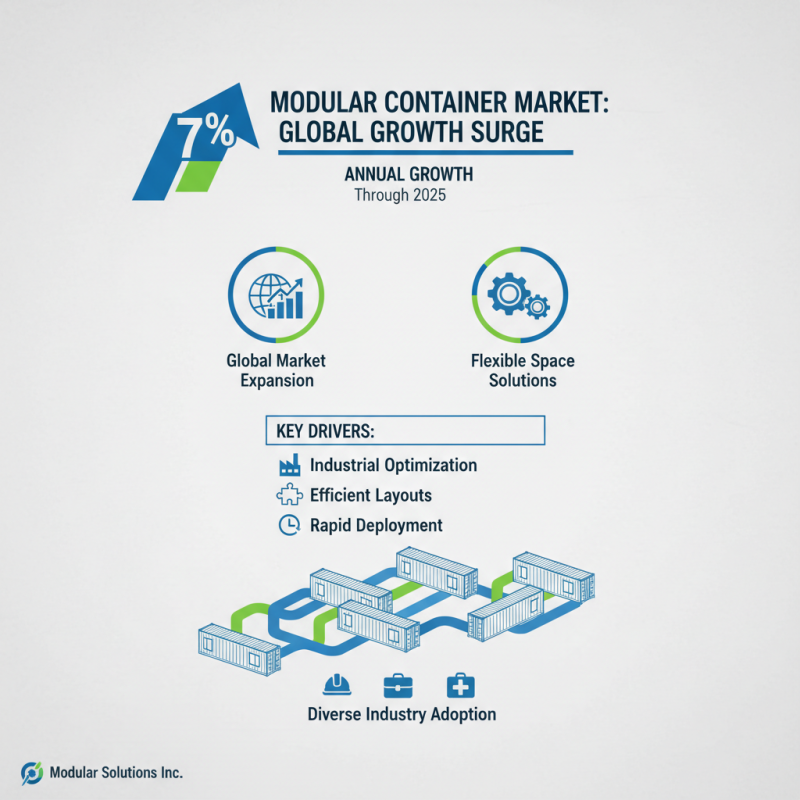
The demand for modular containers is surging across industries. According to recent reports, the global modular container market is expected to grow by 7% annually through 2025. This growth reflects an increasing need for flexible space solutions. Many companies seek to optimize their operations with efficient layouts. Modular containers provide a quick response to changing business needs.
In construction, modular containers offer innovative solutions. They can be repurposed for site offices, storage, or even housing. The construction sector alone has seen a 30% rise in modular container usage in the past three years. However, the market faces challenges. Not all designs suit every location. Some containers may not meet local regulations or zoning laws. Companies need to conduct thorough evaluations before deployment.
Healthcare facilities are also embracing modular containers. They serve as temporary clinics and emergency response units. A report noted that 40% of hospitals explored at least one modular solution in their expansion plans last year. Yet, there are drawbacks. Limited customization options might not meet specific medical requirements. Reflecting on these points, the adaptability of modular containers is clear, but it requires critical assessment and planning to fully harness their potential.
Benefits of Using Modular Containers for Space Efficiency
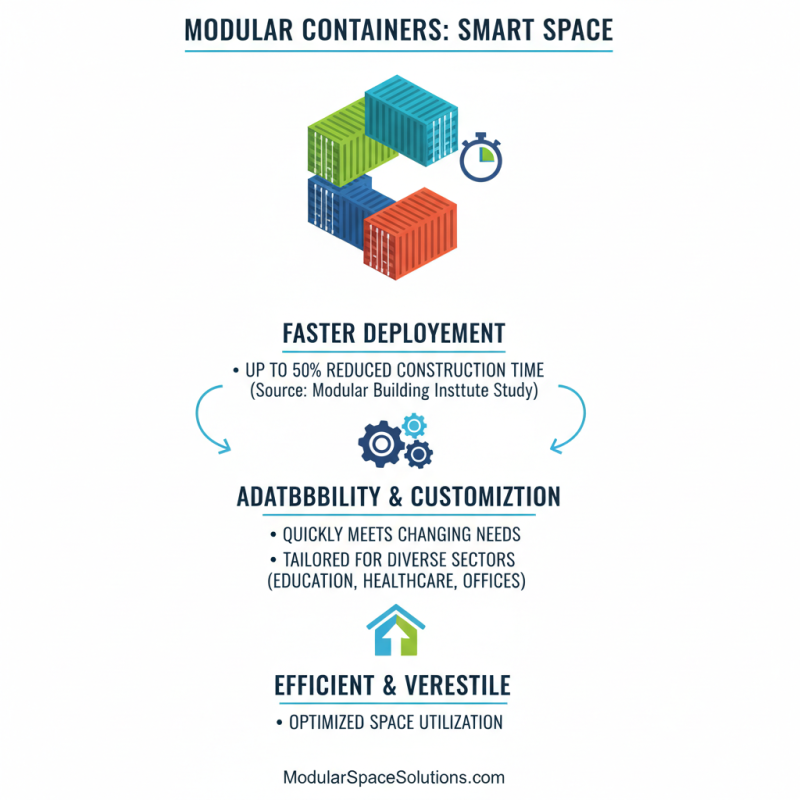
Modular containers offer a versatile solution for space efficiency. According to a study by the Modular Building Institute, using modular systems can reduce construction time by up to 50%. This speed allows companies to adapt quickly to fluctuating space requirements. The containers are customizable, making them suitable for various sectors, from education to healthcare.
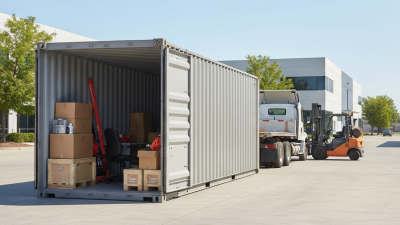
The portability of modular containers provides added benefits. They can be relocated to meet changing demands. For example, businesses can move these containers to different sites without extensive reconfiguration. This flexibility is crucial in urban areas where property costs are high and space is limited.
Tips: Consider the environmental impact. Many modular units use sustainable materials. Choosing eco-friendly options can enhance your reputation. Also, remember to assess local zoning laws before installation. Compliance will save you from potential legal issues.
Embrace the flaws in your design decision. Not every container will meet your needs perfectly, but seeking feedback can guide future choices. The short lifespan of some modular units can be a concern, highlighting the need for durable materials. Balancing cost and quality is essential.
Case Studies: Successful Implementations of Modular Containers
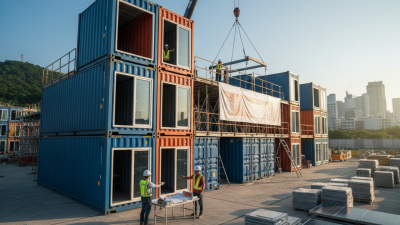
Modular containers have become a popular solution for various space needs. In urban areas, where real estate is limited, these flexible structures provide efficient space solutions. One successful case involved a city that transformed shipping containers into affordable housing. Developers designed these units with insulation and modern amenities. However, challenges arose in zoning regulations and community acceptance.
Another notable implementation occurred in a remote area post-natural disaster. Temporary modular units served as immediate shelters for displaced families. The design was simple, but cold weather exposed some insulation flaws. This highlighted the need for better planning in future projects. Community feedback was crucial afterward, ensuring the containers met local needs.
In a business context, a startup opted for modular containers as office spaces. They reduced costs, but they faced issues with functionality and layout. Employees found some spaces cramped. This experience prompted the company to seek better design strategies. Despite setbacks, modular containers continue to prove their versatility in addressing diverse space challenges.
Utilization of Modular Containers Across Different Industries
Future Trends in Modular Container Solutions and Market Projections
The modular container market is gaining momentum. According to a recent industry report, the global modular construction market is expected to reach $157 billion by 2025. This growth is driven by the increasing demand for flexible and sustainable building solutions.
One major trend is the rise of eco-friendly containers. Companies are redesigning shipping containers. These modifications aim to enhance energy efficiency. For instance, many are integrating solar panels to reduce electricity costs. Reports indicate that energy-efficient modular units can lead to a 30% reduction in operational costs.
However, challenges remain. Some builders face regulatory hurdles when converting containers into livable spaces. Others struggle with the perception that containers are unattractive. An effective marketing strategy could help reshape this image.
Encouraging local governments to streamline regulations is equally crucial. Addressing these points can enhance the market's adaptability. With proper adjustments, modular containers can be an excellent choice for future space solutions.