Top 10 Uses for 20 Foot Shipping Containers in Your Next Project
When embarking on a new project, the versatility of 20 foot shipping containers can often be overlooked. These robust structures, originally designed to transport goods across oceans, have found a newfound purpose in various fields, from construction to creative art installations. Their durability, portability, and cost-effectiveness make them ideal for an array of applications.
In this exploration, we will delve into the top 10 uses for 20 foot shipping containers, showcasing how they can serve as innovative solutions tailored to meet diverse project needs. Whether you're looking to set up a temporary office, create additional storage space, or design a unique living area, these containers offer a practical and sustainable option. Join us as we uncover the many possibilities that come with integrating 20 foot shipping containers into your next project.
Innovative Storage Solutions: Utilizing 20 Foot Shipping Containers
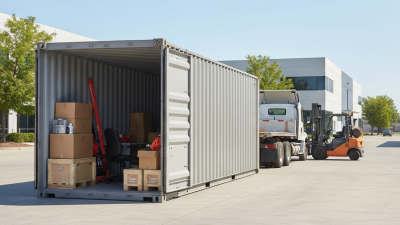
The use of 20-foot shipping containers as innovative storage solutions has gained significant traction across various industries due to their versatility and cost-effectiveness. According to a recent report by the Container Owners Association, around 40% of shipping containers are underutilized, presenting an opportunity for creative repurposing in both commercial and residential projects. These containers provide a robust, weather-resistant option for storage that can cater to a wide range of needs, from temporary site storage for construction projects to permanent storage solutions in urban environments where space is a premium.
Utilizing 20-foot shipping containers for storage also aligns with sustainable practices. The International Maritime Organization states that shipping containers are designed to last for over 25 years, thereby minimizing waste by repurposing materials that would otherwise contribute to landfill overflow. Additionally, the adaptable nature of these containers means they can be easily modified to include shelves, climate control systems, or even office spaces, further enhancing their functionality. This adaptability is particularly beneficial in industries such as retail and agriculture, where dynamic storage requirements necessitate flexible solutions. As a result, the trend of using shipping containers has surged, reflecting a shift toward more sustainable, innovative approaches in storage and construction.
Transforming Spaces: Creative Uses of Shipping Containers in Construction
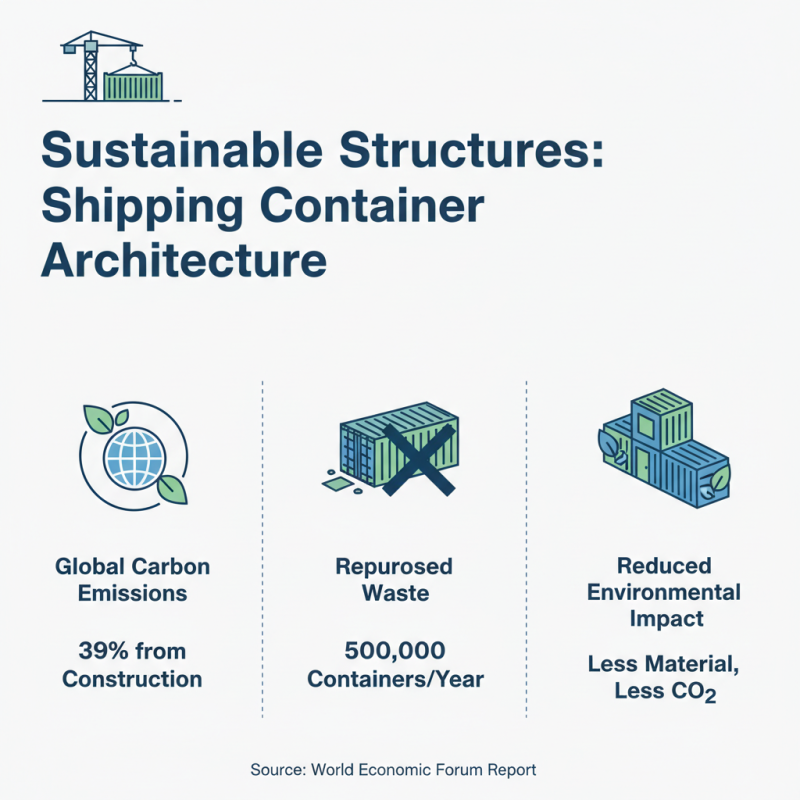
Shipping containers have emerged as an innovative solution in the construction industry, transforming how we think about building spaces. According to a report by the World Economic Forum, the construction sector is responsible for nearly 39% of global carbon emissions, highlighting the urgent need for sustainable building practices. With an estimated 500,000 shipping containers going out of service every year, utilizing these structures can significantly reduce material waste and decrease the environmental impact of new constructions.
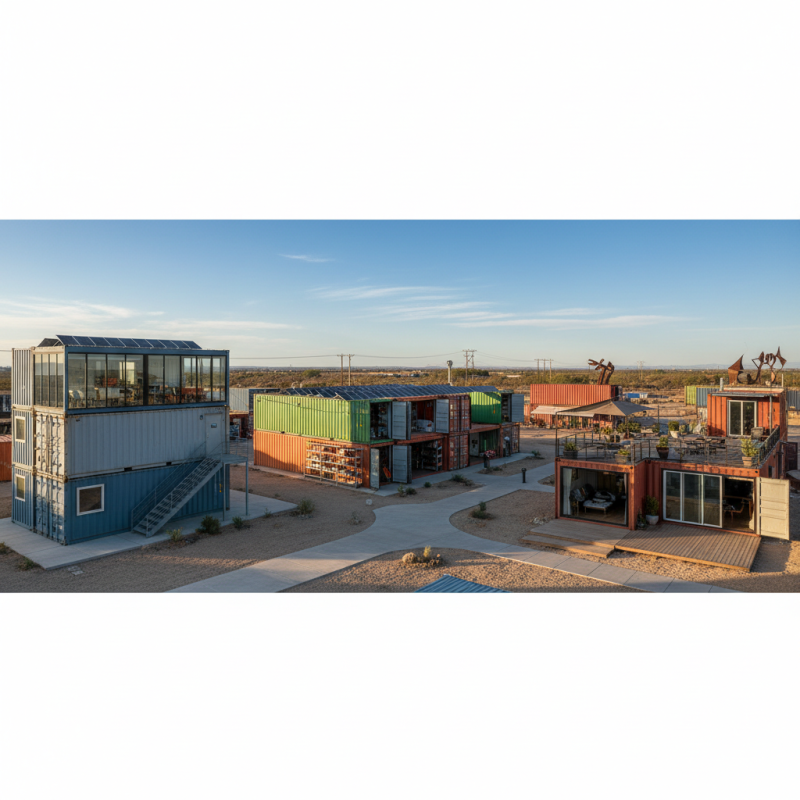
One of the foremost creative uses of 20-foot shipping containers is for modular housing. Reports suggest that container homes can be constructed 40% faster than traditional houses, offering a rapid response to housing shortages, especially in urban areas. These containers can be modified with utilities, insulation, and even green roofs, making them comfortable and eco-friendly.
**Tips:** When planning a container project, consider local zoning laws and building regulations, as they can vary significantly. Additionally, incorporating energy-efficient designs, such as solar panels and proper insulation, can enhance the sustainability of your container space. Lastly, think about multi-functional uses; for example, a container can serve as both a home and an office, providing flexibility for various lifestyle needs.
Portable Offices: Establishing Workspaces with Shipping Containers
Shipping containers have emerged as a versatile solution for creating portable offices, particularly in industries that require mobility and efficiency. According to a report by Statista, the global shipping container market is expected to reach $9.53 billion by 2025, showcasing a growing trend in reusing these containers for various applications, including office spaces. Utilizing a 20 foot shipping container offers a unique opportunity to establish a compact yet functional workspace. Such setups can foster productivity, especially in remote project sites, construction zones, or urban environments where traditional office setups may be impractical.
When designing a portable office within a shipping container, there are several key considerations to enhance the working environment. First, ensure proper insulation and ventilation to maintain a comfortable temperature and air quality. Adding windows or skylights can improve natural lighting, contributing positively to employee morale and health. According to studies, well-lit workspaces can increase productivity by up to 20%. Furthermore, integrating technology such as Wi-Fi and power outlets is essential for maintaining effective communication and workflow.
**Tips:**
- Consider modular furniture that can be easily moved or adapted to maximize the use of space within the container.
- Use vibrant colors and decor to create an inviting atmosphere that encourages creativity and collaboration among team members.
- Think about soundproofing options if the container will be placed in noisy environments, as maintaining a quiet space can significantly enhance focus and efficiency.
Top 10 Uses for 20 Foot Shipping Containers in Your Next Project
Eco-Friendly Homes: Building Sustainable Living with Shipping Containers
The use of shipping containers as eco-friendly homes is gaining momentum as individuals and communities seek sustainable living solutions. These versatile structures offer a unique opportunity to repurpose materials that would otherwise contribute to landfill waste. By transforming 20-foot shipping containers into living spaces, homeowners can significantly reduce their ecological footprint while simultaneously creating stylish and functional dwelling environments. The inherent durability of shipping containers also means they require less maintenance over time, which can lead to more sustainable living by minimizing the need for repairs and replacements.
Moreover, building with shipping containers promotes energy efficiency. With proper insulation and strategic design, these homes can maintain comfortable temperatures year-round, reducing reliance on heating and cooling systems. Many eco-conscious builders incorporate solar panels, rainwater harvesting systems, and other green technologies into their container homes, further enhancing their sustainability. By utilizing shipping containers, homeowners not only take a step toward reducing construction waste but also create adaptable spaces that can be customized to meet their needs while embracing a lifestyle that values environmental responsibility.
Mobile Retail: Setting Up Shops in Reimagined Shipping Containers
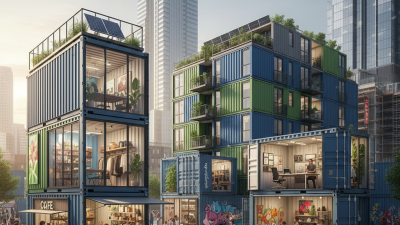
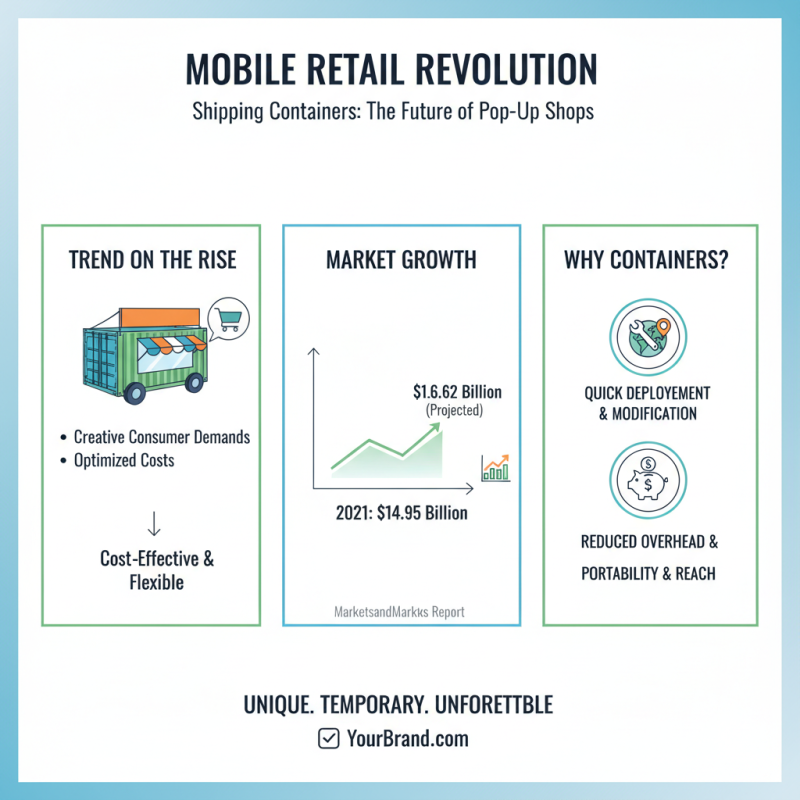
The trend of mobile retail using shipping containers is on the rise, showcasing a creative way to meet consumer demands while optimizing costs. With an increasing number of startups and established businesses exploring unconventional retail spaces, shipping containers offer a cost-effective and flexible solution. According to a report by MarketsandMarkets, the global pop-up retail market is expected to grow from USD 10.62 billion in 2021 to USD 14.95 billion by 2025, highlighting a significant shift towards temporary and unique retail experiences.
Reimagined shipping containers serve as innovative storefronts that not only capture attention but also allow for mobility and location-based strategies. This adaptability is essential in today’s fast-paced market, where businesses can set up shop in high-footfall areas or even transition to different locations based on seasonal demand. Moreover, these containers can be customized to fit various retail needs, from food stalls to boutique shops, creating an engaging customer experience. The ability to repurpose existing materials also aligns with sustainability goals, which is becoming an increasingly important factor as consumers prioritize eco-friendly practices in their purchasing decisions.
As more entrepreneurs and retailers recognize the potential of shipping containers in mobile retail, they are tapping into a market that emphasizes innovation, flexibility, and sustainability. This approach not only attracts diverse customer demographics but also encourages businesses to be agile in meeting shifting market trends.