Essential Tips for Choosing Modular Containers for Your Business?
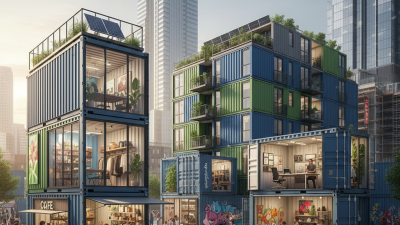
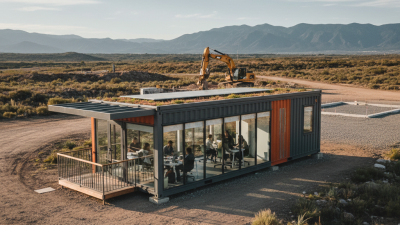
Choosing the right modular containers for your business can be a daunting task. With so many options available, it’s important to understand how these containers can benefit your operations. Modular containers offer flexibility and efficiency. They can adapt to various needs, whether for office space, storage, or temporary accommodations.
Consider the quality and durability of materials used in modular containers. A reliable container can withstand weather changes and heavy use. Always check for certifications to ensure they meet safety standards. It’s also wise to reflect on your specific business needs. For example, do you need customized features?
Ultimately, selecting the right modular containers requires careful consideration. Invest time in researching top suppliers and reading customer reviews. This will help you avoid potential issues. Balancing cost and quality is essential. A well-chosen container can enhance your workspace and contribute to overall productivity.
Understanding Modular Containers: Key Features to Consider
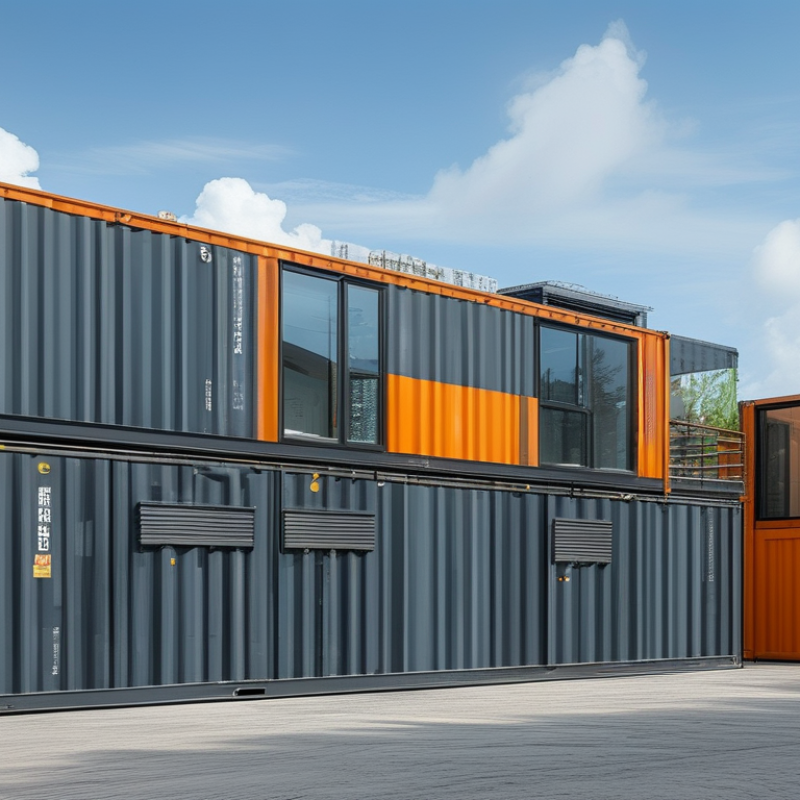
When considering modular containers for your business, focus on key features that will enhance functionality. Look for insulation levels. Proper insulation ensures temperature control, which is vital for sensitive products. Evaluate the structural integrity of the containers. Sturdy walls and strong frames are essential for durability, especially in harsh environments.
Size and layout are crucial. Choose containers that can be reconfigured according to your needs. Flexibility allows your business to adapt as it grows. Accessibility also matters. Ensure that entries are designed for easy loading and unloading. This reduces time spent on logistics.
Another aspect to reflect on is the environmental impact. Some containers are made from sustainable materials. They can contribute to a greener business model. Warranty and maintenance terms should not be overlooked. Ensure you understand the fine print. This insight can save not only costs but also headaches in the future.
Assessing Your Business Needs: Size and Functionality Requirements
When evaluating modular containers for your business, understanding your size and functionality requirements is crucial. Start by analyzing the space you need. How much room do you have? Consider both the interior and exterior dimensions. A well-sized container can increase efficiency and streamline operations. Think about the items you need to store or transport. This will guide you in choosing the right container size.
Functionality is another key aspect. Will you need heating or cooling features? How about electrical outlets? These specifications directly impact your operations. Consider how often you will access the container and what equipment might be inside. Prioritize features that enhance usability. Modular containers can be customized, so consider what layouts will serve your needs best.
It’s also essential to reflect on your business goals. Is this container for short-term use or a long-term investment? The answer will influence your choice. Evaluate whether you need flexibility or a permanent structure. Take time to weigh different options before making a decision. This process may reveal gaps in your understanding or expectations.
Essential Tips for Choosing Modular Containers for Your Business
This chart illustrates the estimated costs associated with different sizes of modular containers that a business might consider when assessing their needs. Understanding these costs can help in making informed decisions when choosing the right container for operational requirements.
Material Selection for Durability and Cost Efficiency
When selecting modular containers for your business, material choice is crucial. The right material impacts durability and cost efficiency significantly. Common materials include steel, aluminum, and plastic. Steel offers exceptional strength, making it ideal for long-term use. However, it can also be heavier and more expensive. Aluminum is lighter and resistant to corrosion, but it may not provide the same level of protection. Plastic containers are cost-effective and lightweight, yet they can be vulnerable to wear and temperature changes.
Evaluate your specific needs to determine the best material. Consider the environment where the containers will be used. If they will be exposed to extreme weather, prioritize materials with weather resistance. Think about the weight capacity too. If you're transporting heavy goods, ensure the chosen material can handle them without compromising integrity.
Look for options that balance cost and longevity. Sometimes, the cheapest option may lead to frequent replacements. This can drain your budget over time. It's essential to consider how long you expect the containers to last. Reflect on the long-term investment rather than immediate savings. By prioritizing durability, you can ensure reliability in your operations, ultimately benefiting your business in the long run.
Evaluating Customization Options for Enhanced Usability
When selecting modular containers for your business, customization options play a crucial role. These containers can be tailored to fit unique business needs. According to Modula's report, 70% of businesses benefit from customizable storage solutions, enhancing operational efficiency. A container with modular shelving can optimize space utilization. Flexibility in design ensures that your container adapts as your business evolves.
Consider the material options available. Research from Container Trends shows that eco-friendly materials are gaining traction. About 40% of companies are prioritizing sustainability in their choices. This shift not only meets compliance but also appeals to environmentally conscious consumers. Customization extends to features like ventilation, access points, and insulation, making your workspace more practical.
While personalized solutions can boost productivity, excessive customization can lead to potential setbacks. High costs and longer lead times are often a concern. Businesses must weigh the benefits against these challenges. Each customization decision should reflect operational needs and long-term goals. A good balance between personalization and practicality is essential for success.
Exploring Compliance and Regulatory Standards for Modular Containers
When selecting modular containers, understanding compliance and regulatory standards is crucial. Different industries have specific requirements. For example, food and beverage containers must align with the FDA regulations on sanitation. According to recent data from the Modular Building Institute, 70% of modular projects face compliance challenges due to regulatory oversight.
Staying up-to-date with local building codes is essential. In many regions, modular containers must comply with zoning laws and safety standards. This is not merely a formality; non-compliance can lead to costly penalties or project delays. It’s reported that about 30% of modular container installations encounter setbacks due to overlooked permitting processes.
Designing for versatility can help meet varied regulations. Containers should allow for adaptability in use. However, some businesses overlook the importance of durability and insulation. The right specifications can enhance longevity and comply with energy standards. In essence, a thorough understanding of these standards not only ensures legal compliance but also builds a foundation for sustainable growth.
Essential Tips for Choosing Modular Containers for Your Business
| Dimension |
Value |
Compliance Standards |
Considerations |
| Length |
20-40 ft |
ISO 1496 |
Available space at site |
| Width |
8 ft |
CSC Certification |
Loading capacity requirements |
| Height |
8.5-9.5 ft |
ISO 668 |
Fire safety regulations |
| Weight Capacity |
Up to 30,000 lbs |
Payload-specific standards |
Secure anchoring systems |
| Material |
Steel, Aluminum |
Local environmental guidelines |
Material sourcing and recycling |