What is a Small Cement Mixer for Concrete Use?
A Small Cement Mixer Concrete is an essential tool for various construction projects. Its compact design makes it ideal for both professional builders and DIY enthusiasts. These mixers allow for easy transport and storage, making them a preferable choice for small to medium jobs.
Using a small cement mixer can significantly improve efficiency in mixing concrete. Instead of manually mixing, it ensures a consistent blend of materials. This consistency is crucial for durability and strength in concrete structures. However, one must be cautious. Overloading the mixer can lead to uneven mixing or even damage the machine.
Understanding the right techniques and maintenance for a small cement mixer is vital. Regular cleaning and proper usage can prolong its life. Reflecting on personal experiences, it's clear that even small mistakes, like incorrect ratios, can affect the final outcome. Being mindful of these aspects can enhance both skill and results in concrete work.
Definition and Purpose of Small Cement Mixers
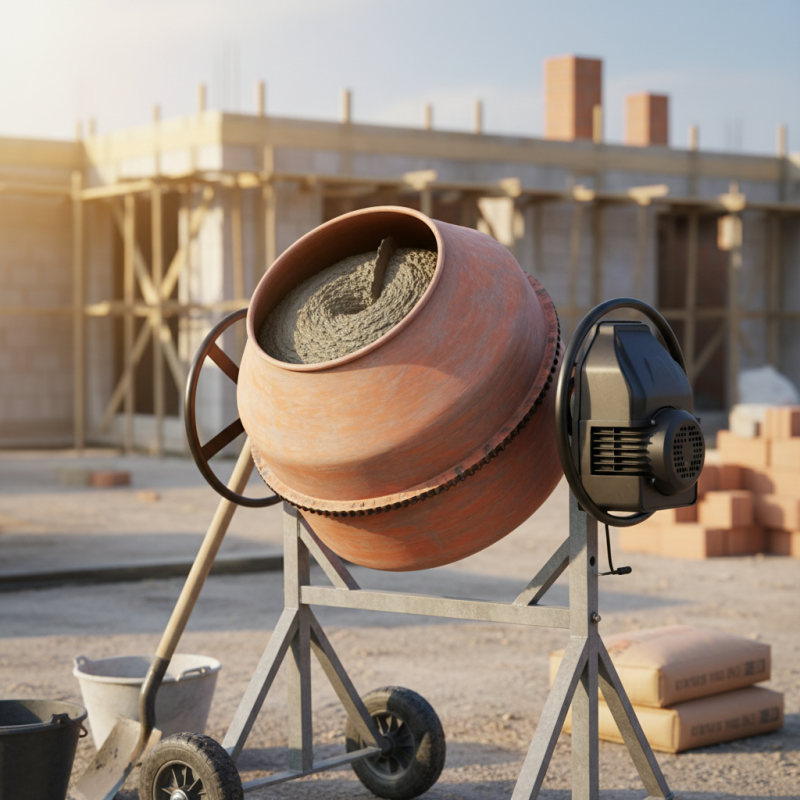
Small cement mixers are essential tools for concrete applications. They are designed for small to medium projects, offering convenience and efficiency. Using a small cement mixer allows for better control over mixing ratios and consistency. This is important for achieving the desired strength and durability in concrete.
These mixers serve a significant purpose, especially for DIY projects or small construction tasks. They can easily mix cement, sand, gravel, and water. This reduces the effort and time needed for manual mixing. Small cement mixers come in various sizes, making them versatile for different applications. Their portability is a key advantage, allowing users to transport them easily to various job sites.
Tips: When using a small cement mixer, always read the manufacturer's guidelines. This ensures optimal performance and safety. Avoid overloading the mixer to maintain its efficiency. Additionally, consider cleaning the mixer right after use. This prevents concrete from hardening inside, which is a common mistake. Investing a few extra minutes in cleanup saves time and effort in the long run. Lastly, mixing small batches is often better, allowing for better consistency and quality.
Key Features of Small Cement Mixers for Concrete
Small cement mixers play a crucial role in concrete mixing. They are compact, portable, and user-friendly—a great fit for small-scale projects. These mixers are particularly beneficial for DIY enthusiasts and contractors needing convenience and efficiency. With a typical capacity ranging from 2 to 5 cubic feet, they can handle various tasks without overwhelming the user.
One key feature of these mixers is their adjustable drum speed. This allows for better control over the mixing process. Users can achieve a uniform concrete consistency, vital for construction quality. The robust construction ensures durability, even with frequent use. Additionally, many models come with wheels, making them easy to transport between job sites. However, not all models are equally effective. Some may struggle with larger aggregates, leading to incomplete mixing.
Another notable aspect is the power source. Smaller electric mixers are prevalent, while gas-powered options offer flexibility in remote locations. Nevertheless, electrical models may have limited mixing power. Users should assess their specific needs and the materials they use. It’s essential to evaluate these factors before making a purchase.
What is a Small Cement Mixer for Concrete Use? - Key Features of Small Cement Mixers for Concrete
| Feature | Description | Benefits |
| Capacity | Typically between 2 to 6 cubic feet | Suitable for small to medium-sized projects |
| Portability | Compact and lightweight design | Easy to transport to job sites |
| Power Source | Electric or gasoline engines | Flexible usage based on availability |
| Mixing Speed | Varies, typically adjustable | Improves efficiency and control over mixing |
| Durability | Constructed with robust materials | Long-lasting performance for multiple uses |
| Ease of Use | User-friendly controls | Reduces learning time for operators |
Types of Small Cement Mixers Available on the Market
Small cement mixers are essential tools for small-scale concrete projects. They come in various types, each designed to meet specific needs. The most common types include portable electric mixers, gas-powered mixers, and hand mixers. Portable electric mixers are ideal for DIY projects and small jobs. They are lightweight and easy to transport, making them perfect for residential use. Gas-powered mixers provide more power and are suitable for larger projects, where electricity might not be available. Hand mixers are the simplest option, suitable for mixing small batches without heavy machinery.
According to industry reports, the global concrete mixer market was valued at approximately $2.6 billion in 2020 and is expected to grow steadily. This growth is due to construction demands and a rise in home improvement projects. Many consumers underestimate the importance of selecting the right mixer type. Each type has its own capacity and mixing efficiency. Electric models may struggle with larger aggregates, while gas models could be overkill for simple tasks. Users often face challenges in selecting the correct size and power, leading to inefficiencies in their projects.
Mixers can vary in capacity, typically from 1 to 6 cubic feet. Selecting the right mixer's size is crucial for optimal performance. A small mixer might not meet the needs of a significant project, causing delays. On the other hand, a large mixer can be cumbersome for smaller jobs. It's important to weigh your project requirements against the mixer's capabilities. An informed choice will ensure better work quality and save time.
Small Cement Mixers for Concrete Use - Performance Comparison
Benefits of Using a Small Cement Mixer for Concrete Projects
A small cement mixer is a valuable tool for concrete projects. Its compact size makes it ideal for residential jobs. Whether you’re pouring a new patio or creating garden paths, this mixer offers flexibility. It can easily fit in tight spaces that larger mixers cannot access. Additionally, it minimizes manual labor, which can strain your back.
One of the main benefits of using a small cement mixer is efficiency. Mixing concrete by hand can take time and effort. With a mixer, you can achieve a consistent blend in less time. This can lead to a smoother finished product. It also allows you to work on multiple small projects without delays. While using a mixer might seem simple, it does require attention. Not every mixture will turn out perfect on the first try. Proper ratios and timing are crucial for the best results.
Another advantage is portability. Small mixers can be moved easily around your yard or job site. This convenience means you can mix fresh batches on the go. However, the small capacity may limit larger jobs. You might need to mix multiple times for bigger areas, which could slow you down. Reflecting on your project size and scope is important.
Maintenance Tips for Small Cement Mixers to Ensure Longevity
Small cement mixers are essential tools for various concrete projects. They enhance efficiency and reduce physical labor. However, regular maintenance is crucial for their longevity. Neglecting upkeep can lead to costly repairs and shortened lifespan.
To keep your small cement mixer in optimal condition, clean it thoroughly after each use. Concrete residue can harden and affect performance. Use a wire brush to remove stubborn spots, especially around the drum and blades. Rinse with water but avoid flooding the motor compartment.
Check the motor and electrical components regularly. Listen for unusual sounds while operating. If you notice vibrations or irregularities, it may indicate a mechanical problem. Inspect the belts and connections routinely to ensure they are tight and free of wear. Adjust as needed to maintain smooth operation. Adhering to these simple maintenance tips will significantly extend the life of your cement mixer, ensuring it’s ready for all your concrete needs.