10 Essential Tips for Shipping Cargo Containers Like a Pro
The logistics of shipping cargo containers is a critical aspect of global trade, with millions of containers transported across the world's oceans every year. According to the International Maritime Organization (IMO), the shipping industry accounts for about 90% of world trade by volume, illustrating its vital role in connecting markets and facilitating economic growth. As businesses increasingly turn to shipping cargo containers to optimize their supply chains, understanding best practices becomes essential for efficiency and cost-effectiveness.
Shipping expert Dr. Emily Carter, a prominent figure in maritime logistics and author of several influential studies on shipping practices, states, "Efficient container shipping not only reduces costs but also enhances delivery speed, ultimately benefiting both suppliers and consumers." Her insights highlight the importance of adopting a professional approach to navigating the complexities of the shipping process, from container selection to customs clearance.
In this guide, we will delve into ten essential tips for mastering the art of shipping cargo containers like a pro. These strategies are designed to empower businesses, streamline operations, and eliminate common pitfalls associated with container shipping, ensuring that your goods reach their destination safely and efficiently.

Understanding Cargo Containers: Types and Sizes
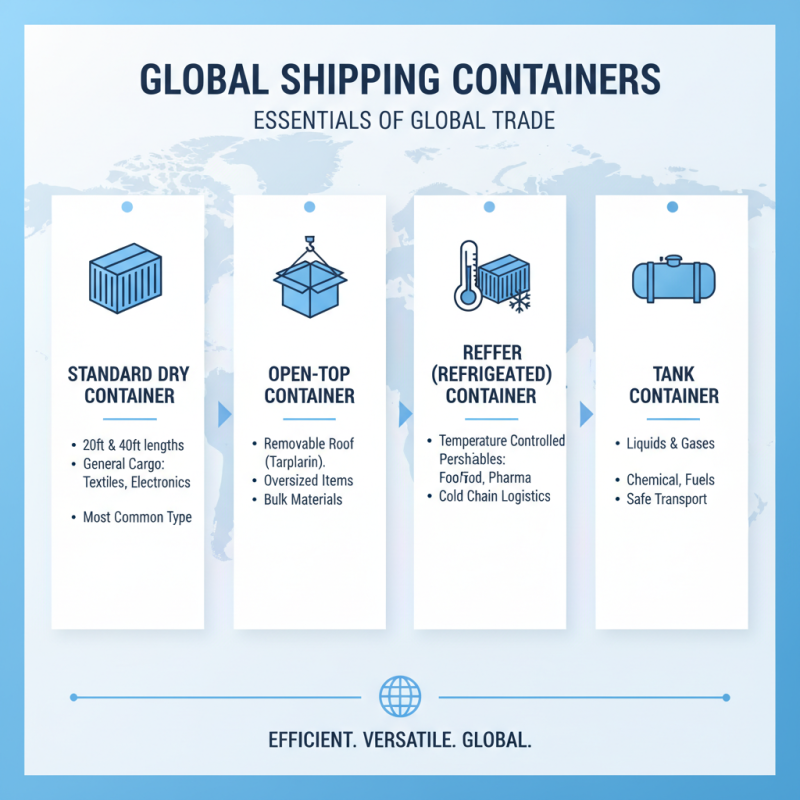
Cargo containers are crucial for efficient shipping and come in various types and sizes, each designed to meet specific transport needs. The most common type is the standard dry container, available in 20-foot and 40-foot lengths. These containers are ideal for general cargo and can hold a variety of goods, from textiles to electronics. For businesses dealing with bulk materials, open-top containers may be more suitable as they allow for easy loading and unloading of oversized items, thanks to their removable tarpaulin roofs.
Additionally, specialized containers like refrigerated (or reefer) containers are essential for transporting perishable goods. These containers are equipped with temperature control to ensure that items such as fruits, vegetables, and pharmaceuticals maintain their quality during transit. Another important category is the flat rack container, which is designed for heavy or awkwardly shaped cargo that cannot fit in standard containers. Understanding these variations in container types and their specifications is key to planning effective shipping logistics. By selecting the appropriate container, businesses can ensure that their cargo is transported safely and efficiently, minimizing potential damage and losses.
Key Regulations and Documentation for Shipping Cargo Containers
When shipping cargo containers, understanding key regulations and documentation is crucial to ensure a smooth and successful operation. Firstly, it's essential to familiarize yourself with the International Maritime Organization's regulations as they set the framework for shipping practices around the globe. Always ensure that your cargo is classified accurately and that you comply with the rules governing weight limits, container types, and handling procedures specific to your destination. This not only helps in avoiding penalties but also ensures the safety of your cargo and other goods in transit.
Tip: Before shipment, verify all necessary documents, such as the Bill of Lading, commercial invoice, and packing list. These documents are vital for customs clearance and should be properly completed to prevent delays at ports. Additionally, it’s advisable to consider insuring your cargo; this can protect against potential losses or damages during transit, adding an extra layer of security to your shipment.
Moreover, staying informed on the customs regulations of both the exporting and importing countries can streamline the shipping process dramatically. Understanding tariffs, duties, and documentation requirements ahead of time can save both time and money.
Tip: Engage with experienced freight forwarders or logistics professionals who understand the complexities of international shipping. Their expertise can provide invaluable insights that help navigate the regulatory landscape more efficiently, making your cargo shipping experience seamless.
Shipping Cargo Containers: Key Regulations and Documentation Comparison
Best Practices for Packing Cargo Containers Efficiently
Packing cargo containers efficiently is crucial for minimizing costs and ensuring safe transport. According to industry data, improper packing can lead to increased shipping costs by up to 25% due to wasted space and damage claims. Here are some essential tips to enhance your packing strategy.
Firstly, maximize container space by calculating the cubic volume of each item. Group items by shape and size, using protective materials where necessary to prevent damage during transit. It’s recommended to fill voids with cushioning materials to avoid shifting—the International Maritime Organization emphasizes that secure packing reduces the risk of cargo loss by 40%. Utilizing one cohesive packing plan not only enhances safety but also streamlines unloading processes at your destination.
Additionally, labeling all packages clearly is vital. Each cargo piece should be marked with its contents and handling instructions, which facilitates quicker loading and unloading. Reports indicate that efficient labeling can enhance operational speed by up to 30%. Prioritize the heaviest items at the bottom and distribute weight evenly to maintain balance within the container, which is essential for stability during transport. By following these best practices, you'll optimize your packing process and ensure your cargo arrives safely and economically.
Choosing the Right Shipping Method for Your Cargo
When it comes to shipping cargo containers, selecting the right shipping method is crucial to ensure the safety and efficiency of your goods. The first step is to assess the nature of the cargo you are shipping. Different types of goods—whether perishable, valuable, or bulky—may necessitate specific shipping options. For example, if your shipment contains perishable items, opting for expedited shipping methods such as air freight can minimize transit time and reduce spoilage risks.
In addition to the nature of your cargo, consider your budget and the time constraints of your shipment. Sea freight offers a cost-effective solution for larger shipments, although it typically involves longer transit times. On the other hand, air freight is the fastest option but often comes with a higher price tag.
A thorough evaluation of these factors will help you determine the most suitable method. It is also essential to work closely with shipping professionals who can guide you through the process, provide valuable insights on customs regulations, and ensure that you meet all necessary documentation requirements for a smooth transit.
Tracking and Managing Your Cargo During Transit
Effective tracking and management of cargo during transit is crucial for ensuring timely deliveries and minimizing losses. According to a 2022 report by the International Data Corporation (IDC), approximately 25% of shipping delays are attributed to poor tracking systems. Implementing advanced tracking solutions, such as GPS and RFID technology, can significantly enhance visibility throughout the shipping process. These technologies allow shippers to monitor the exact location of cargo containers in real-time, providing critical updates on transit status and reducing the chances of misplaced goods.
Moreover, leveraging data analytics can help shippers anticipate potential disruptions. The LogTech report indicated that companies utilizing predictive analytics saw a 15% improvement in efficiency by proactively managing potential risks associated with weather or operational challenges. By analyzing historical shipping data, stakeholders can better understand patterns that lead to delays and take corrective actions before issues arise. These strategies not only improve cargo management but also foster better communication with clients, ultimately enhancing customer satisfaction.