What is a 40 Foot Shipping Container? Dimensions, Uses, and Benefits Explained!
When it comes to logistics and transportation, one of the most versatile and widely used options is the 40 foot shipping container. These robust containers are designed for efficiency, facilitating the movement of goods across vast distances, whether by land or sea. With a standard size that provides ample space, the 40 foot shipping container is ideal for large shipments, making them a popular choice among businesses and industries alike.
In this article, we will explore the dimensions, various uses, and the benefits of utilizing 40 foot shipping containers. Understanding the specifications and advantages of these containers can help businesses streamline their shipping processes and maximize storage solutions. Whether you're looking to transport products, store materials safely, or even convert a container for unique applications, the 40 foot shipping container stands out as a practical and economical choice. Join us as we delve into the world of shipping containers and discover how they can benefit your operations.

What is a 40 Foot Shipping Container?
A 40-foot shipping container is a standardized steel container used for transporting goods across the globe. With actual dimensions of approximately 40 feet in length, 8 feet in width, and 8.5 feet in height, this container provides a spacious interior that measures around 2,320 cubic feet. These containers are designed for durability, capable of withstanding harsh weather conditions and the rigors of transport on cargo ships, trucks, and trains.
The versatility of the 40-foot shipping container makes it a popular choice for various applications beyond logistics. They can be transformed into storage units, mobile offices, or even housing solutions. Their robust structure allows for easy modifications, making them ideal for innovative projects such as pop-up shops, cafés, or community spaces. Additionally, their widespread availability and standardized dimensions mean they can easily be stacked and transported, optimizing efficiency in shipping and storage operations.
What is a 40 Foot Shipping Container? Dimensions, Uses, and Benefits Explained!
| Dimension/Use |
Details |
| External Length |
40 feet (12.19 meters) |
| External Width |
8 feet (2.44 meters) |
| External Height |
8.5 feet (2.59 meters) |
| Internal Length |
39.5 feet (12.03 meters) |
| Internal Width |
7.7 feet (2.35 meters) |
| Internal Height |
7.9 feet (2.39 meters) |
| Tare Weight |
8,000 lbs (3,628 kg) |
| Max Payload |
28,000 lbs (12,700 kg) |
| Volume Capacity |
2,390 cubic feet (67.7 cubic meters) |
| Common Uses |
Shipping goods, storage solutions, portable offices, and housing. |
| Benefits |
Durability, portability, cost-effectiveness, and security. |
Standard Dimensions and Specifications of 40 Foot Containers
A 40-foot shipping container, also referred to as a standard container, is a versatile solution for transportation and storage in various industries. Its dimensions typically measure 40 feet in length, 8 feet in width, and 8.5 feet in height, providing an internal capacity of around 2,390 cubic feet (67.9 cubic meters). This ample space allows for the storage of a wide range of goods, making it ideal for businesses involved in shipping, logistics, and freight. According to a report by the International Maritime Organization, approximately 90% of international trade is carried out through the shipping industry, underscoring the importance of containers in global logistics.
One important factor to consider when using 40-foot containers is their weight capacity. A standard 40-foot container can typically hold up to 30,480 kilograms (67,200 pounds) of cargo, although this may vary based on container construction and condition. It is essential to ensure that the total weight complies with international shipping regulations to avoid penalties and ensure safe transport. In regions like the United States, exceeding a combined weight of 80,000 pounds for transport vehicles can lead to costly fines.
Tips: When considering the purchase or rental of 40-foot shipping containers, assess your specific needs in terms of storage and transport. Consider factors such as climate, potential moisture exposure, and the type of goods being stored or shipped. For better space management, optimize the internal arrangement of goods by utilizing pallets or shelves to maximize the available capacity.
Common Uses for 40 Foot Shipping Containers in Various Industries
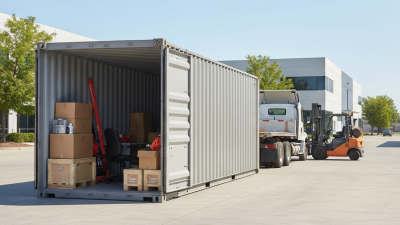
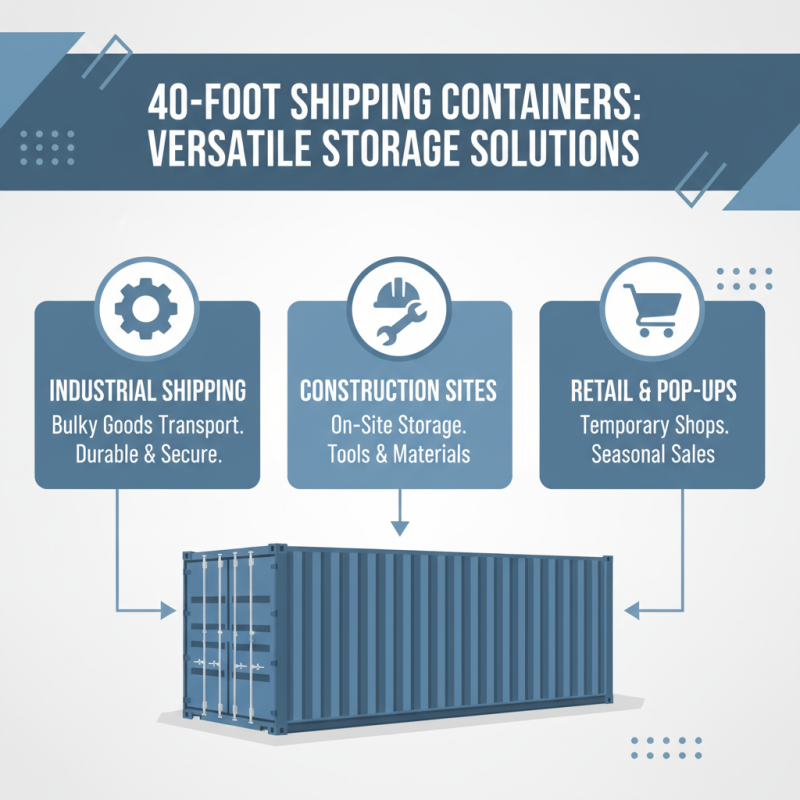
40-foot shipping containers are versatile storage solutions used across various industries. Their large size makes them ideal for shipping bulky goods, while their durability ensures the safe transport of products. In the construction industry, these containers are used for site storage, providing secure space for tools and materials, while reducing on-site clutter. Retail businesses also utilize 40-foot containers for pop-up shops or seasonal sales, efficiently converting them into temporary stores.
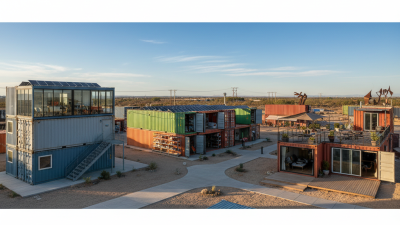
In the agricultural sector, these containers serve as on-site storage for produce, equipment, and livestock feed, helping farmers manage their resources more effectively. Furthermore, many businesses are now repurposing shipping containers into innovative office spaces, eco-friendly homes, or even cafes, leveraging their sturdy structure and modular design.
Tip: When considering a 40-foot shipping container for your needs, assess the specific requirements of your industry, such as insulation for climate-sensitive products or modifications for accessibility. Additionally, ensure that your chosen container complies with local regulations regarding use and placement.
Advantages of Using 40 Foot Shipping Containers for Storage and Transport
The use of a 40-foot shipping container offers numerous advantages for both storage and transport needs. One of the primary benefits is its significant capacity, allowing for the storage of a large volume of goods in a single unit. This feature is particularly advantageous for businesses that require efficient space management, as it minimizes the number of containers needed and reduces clutter in storage areas. Additionally, their standard dimensions enable easy stacking and organization, making logistics simpler and more effective.
Moreover, 40-foot shipping containers are built for durability and weather resistance, making them a reliable option for protecting goods during transit. Their sturdy structure prevents damage from external elements, ensuring that items remain safe regardless of the environment. This resilience enhances logistical efficiency, as businesses can transport contents with confidence, knowing they are well-protected. Furthermore, these containers can be easily modified for specialized storage solutions, which makes them an adaptable choice for various industries and applications. Overall, the versatility and robust design of 40-foot shipping containers make them a smart choice for numerous storage and transportation purposes.
Considerations When Purchasing or Renting a 40 Foot Shipping Container
When considering the purchase or rental of a 40-foot shipping container, several key factors should be evaluated to ensure the container meets your needs. Firstly, assess the purpose for which you require the container. Whether it’s for storage, transportation, or as a temporary workspace, understanding its intended use will guide your choice. It's essential to consider the container's condition—new versus used—and how it aligns with your budget and requirements. Additionally, evaluate the features that may be necessary, such as ventilation, insulation, or accessibility options, to ensure the container will function effectively in your specific context.
Another crucial consideration is the logistics of delivery and placement. Ensure there is adequate space for the container at its intended location, and verify that delivery services are available in your area. Understanding the regulations regarding placement, especially in residential zones, can prevent potential legal issues. Furthermore, consider the duration for which you need the container and whether short-term or long-term rentals would be more cost-effective. Look into available rental agreements' terms, as they can vary considerably. By taking these considerations into account, you can make a well-informed decision that best serves your needs for a 40-foot shipping container.
Usage of 40 Foot Shipping Containers by Industry