What is a 40 Foot Shipping Container and How Can It Benefit Your Business
In today's globalized economy, efficient logistics and transportation solutions are essential for businesses seeking to enhance their competitiveness. The use of 40 foot shipping containers has gained significant traction due to their versatility and capacity. According to a report by the International Maritime Organization, over 90% of the world's trade is facilitated via shipping, emphasizing the critical role containers play in supply chain management. A 40 foot shipping container can hold approximately 2,400 cubic feet of cargo, making it ideal for businesses that need to transport large volumes of goods while optimizing shipping costs.
Furthermore, the demand for these containers is on the rise, with estimates from Research and Markets projecting a growth rate of 4.4% in the container shipping industry over the next five years. This trend highlights the increasing reliance on 40 foot shipping containers among businesses aiming to streamline their logistics operations. By utilizing these containers, companies not only benefit from cost savings but also enhance their inventory management and distribution strategies, ultimately leading to improved customer satisfaction and retention. As organizations increasingly prioritize efficiency in their supply chains, the strategic implementation of 40 foot shipping containers will remain a pivotal component for success.
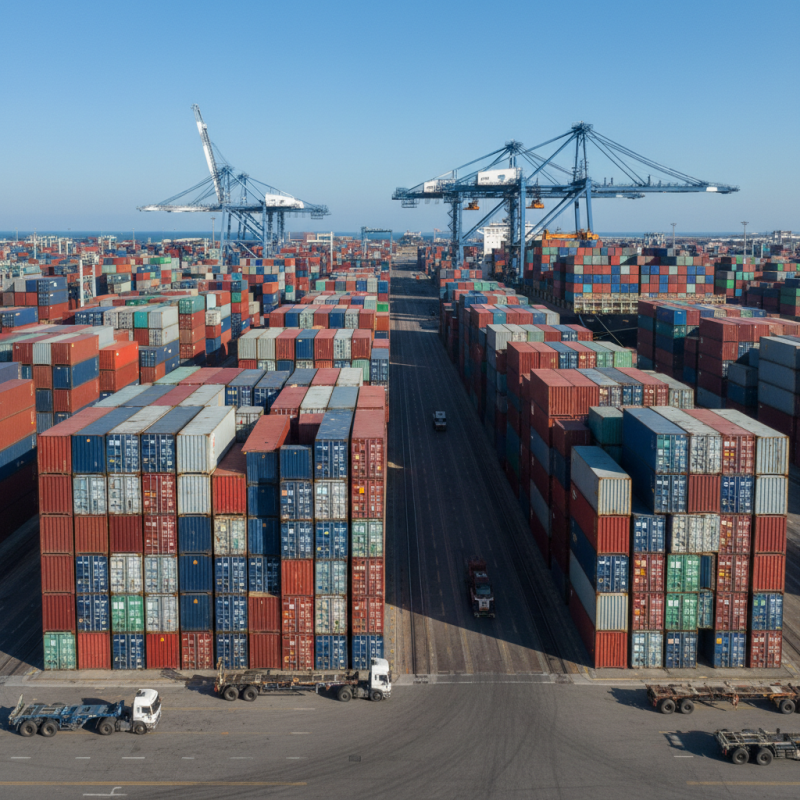
What is a 40 Foot Shipping Container?
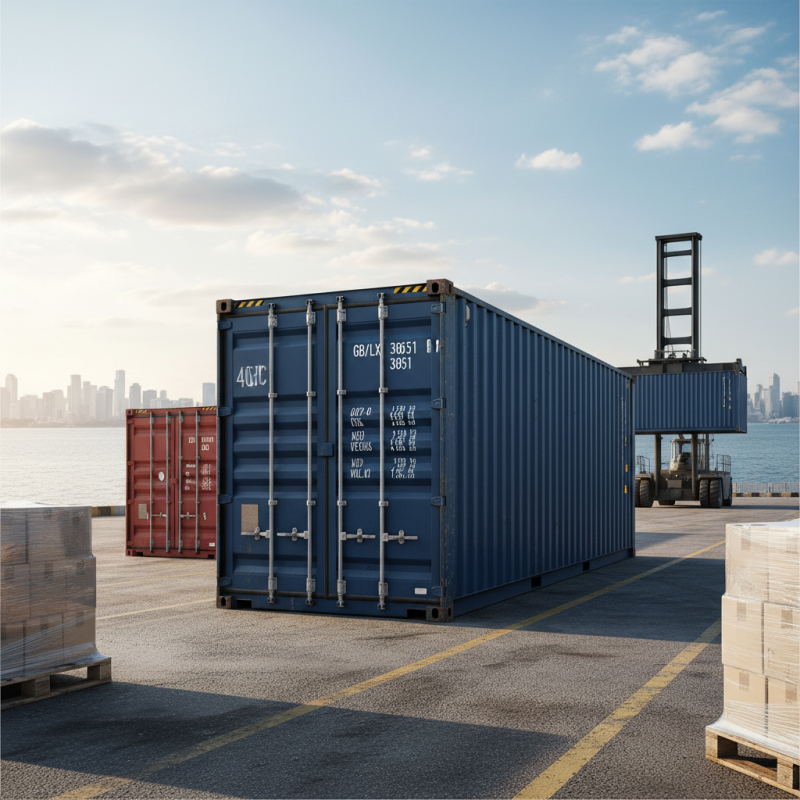
A 40-foot shipping container is a large steel box designed for transporting goods across oceans and land. Renowned for its durability and capacity, this container typically provides about 2,400 cubic feet of storage space, making it significantly larger than its 20-foot counterpart. The additional space allows businesses to consolidate shipments, reduce transportation costs per unit, and optimize supply chain efficiency. Ideal for a variety of industries, from retail to construction, these containers can hold a substantial amount of products, equipment, or materials.
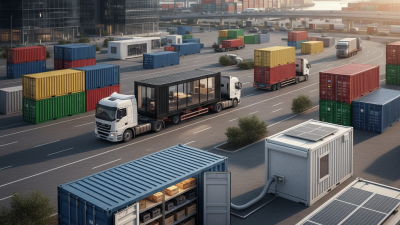
The versatility of the 40-foot shipping container extends beyond simple transportation. Many businesses utilize them for storage solutions, temporary office spaces, or even customized retail units. Their robust structure protects contents from environmental factors, ensuring that goods arrive in excellent condition. Additionally, with the option to modify containers, businesses can tailor their usage to meet specific operational needs. This flexibility not only enhances resource management but also opens avenues for innovative business practices in rapidly changing markets.
Key Specifications and Features of 40 Foot Containers
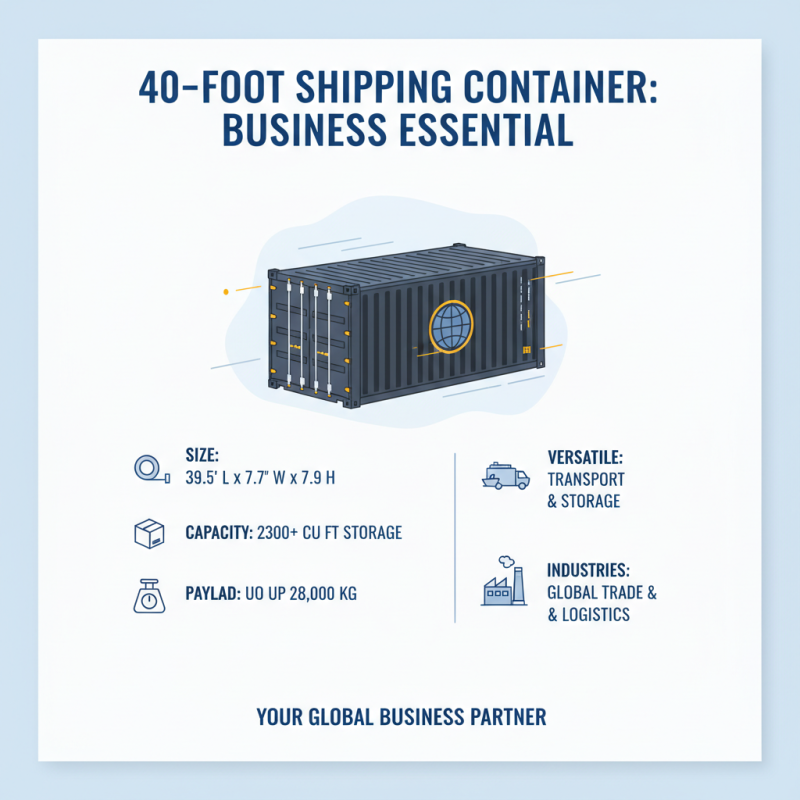
A 40-foot shipping container is a versatile and essential asset for businesses in various industries. These containers typically have interior dimensions of approximately 39.5 feet in length, 7.7 feet in width, and 7.9 feet in height, offering over 2,300 cubic feet of storage space. This ample capacity makes them suitable for transporting large quantities of goods or for use as on-site storage facilities. The standard 40-foot container can carry a payload of about 28,000 kilograms, making it ideal for shipping heavy and bulky items across long distances.
In addition to size, 40-foot containers come with key features that enhance their functionality. They are built from high-grade steel, providing durability and security against both environmental factors and theft. Many units have wooden flooring that can support heavy loads, while the inclusion of ventilation systems helps to reduce moisture buildup, protecting sensitive cargo. Furthermore, businesses can choose between standard dry containers and specialized options, such as refrigerated containers, allowing them to meet diverse shipping and storage needs effectively. This flexibility makes the 40-foot shipping container an invaluable tool for streamlining operations and optimizing logistics.
Advantages of Using 40 Foot Containers for Businesses
A 40-foot shipping container can provide significant advantages for businesses looking to optimize their logistics and supply chain operations. With increasing shipping costs and handling fees, such containers offer a practical solution for transporting large volumes of goods efficiently. The larger capacity of a 40-foot container allows businesses to consolidate shipments, thus reducing the frequency of imports and lowering overall shipping expenses. This efficiency is crucial, especially in the current climate where costs are expected to rise as companies rush to secure inventory before trade agreements change.
Additionally, utilizing 40-foot containers can enhance sustainability efforts within a business strategy. By integrating these containers into operations, companies can streamline their supply chain and respond more flexibly to market demands. As seen in various regions, businesses are recognizing the value of shipping containers in creating innovative, sustainable models that directly connect with consumer needs. This adaptability not only helps manage rising costs but also positions businesses favorably in the competitive market landscape.
What is a 40 Foot Shipping Container and How Can It Benefit Your Business - Advantages of Using 40 Foot Containers for Businesses
| Advantages |
Description |
| Increased Storage Capacity |
40 foot containers offer significant space ideal for larger shipments and storage needs. |
| Cost-Effective |
Using 40 foot containers may reduce shipping costs per unit due to their larger size. |
| Versatility |
Can be used for shipping various types of goods including bulky items. |
| Durability |
Made from steel, these containers are weather-resistant and built to last. |
| Security |
Feature robust locking mechanisms to keep contents safe from theft. |
| Mobility |
Easy to transport via truck or rail, providing logistical flexibility. |
| Stackable |
Can be stacked, maximizing storage space in yards or during shipping. |
Practical Applications of 40 Foot Shipping Containers in Various Industries
The versatile 40-foot shipping container has found an array of practical applications across various industries, proving to be a valuable asset for businesses. From disaster relief to innovative housing solutions, these containers are increasingly being utilized in creative ways. Recent events highlighted the significance of shipping containers in humanitarian efforts, as evidenced by the visit from EMBA alumni to a disaster relief container site, showcasing how these structures can provide immediate shelter and support in times of crisis.
In addition to serving as emergency housing, shipping containers are revolutionizing the way businesses approach storage and logistics. Many enterprises are opting for containerized solutions to streamline their operations. For instance, the rise of containerized sea freight signifies a shift in the industry, promoting efficiency and reducing costs. Companies looking to enhance their operational capacity might consider utilizing 40-foot containers not only for storage but also for mobile offices and pop-up retail spaces.
Tips:
1. Consider the specific needs of your business when choosing between a 20-foot or 40-foot container to optimize storage space.
2. Explore innovative uses for shipping containers in your industry, from temporary offices to unique marketing solutions that can attract customer attention.
3. Keep an eye on local regulations regarding container usage, as zoning laws may affect where and how you can implement container solutions on your premises.
Cost-Effectiveness and ROI of 40 Foot Shipping Containers for Companies
When considering the cost-effectiveness and return on investment (ROI) of 40-foot shipping containers, businesses can leverage substantial advantages. According to a report by the World Bank, shipping container costs have stabilized around $3,000 to $6,000 per unit, depending on condition and modifications. This initial investment can yield significant savings in logistics, as these containers are immensely durable and can be used repeatedly, reducing the need for continuous purchases and rentals.
Moreover, utilizing 40-foot shipping containers can enhance operational efficiency. Industry data from the Container Owners Association highlights that around 50% of logistics costs stem from transportation. By using containers for both storage and transport, businesses can streamline operations, minimize handling times, and reduce freight costs. Companies can also convert shipping containers into pop-up stores or office spaces, creating additional revenue streams. The flexibility that these containers provide often leads to a quicker ROI, estimated at around 15-20% within the first year of adoption, depending on the industry. This positioning underscores the powerful economic impact that investing in a 40-foot shipping container can have for diverse businesses.
Cost-Effectiveness and ROI of 40 Foot Shipping Containers for Businesses
This chart illustrates the estimated costs and benefits associated with utilizing a 40-foot shipping container in a business context. The data showcases initial costs, maintenance expenditures, transportation fees, storage space savings, and potential resale value, emphasizing the cost-effectiveness and ROI of adopting shipping containers.