2026 Top Electric Water Heater Trends Buyers Must Know
As we approach 2026, the landscape for Electric Water Heaters is evolving rapidly. According to a recent report by the Department of Energy, the market for electric water heaters is projected to grow by 15% annually. This shift is driven by advancements in energy efficiency and consumer demand for sustainable solutions. Electric water heaters now offer various smart features that not only provide instant hot water but also optimize energy usage.
A common concern among consumers is the rising energy bills associated with traditional water heating methods. Electric water heaters are emerging as a viable solution. The U.S. Energy Information Administration states that modern electric water heaters can reduce energy consumption by up to 20% compared to older models. However, buyers should consider installation costs and long-term savings. There are still many brands not meeting efficiency standards.
This article will explore the top trends impacting electric water heater purchases. Understanding these trends will help consumers make informed choices. We'll delve into innovations that enhance performance while addressing common challenges. Keeping an eye on these trends can lead to better investment in home heating solutions.
Emerging Technologies in Electric Water Heaters for 2026
As we look toward 2026, electric water heaters are rapidly evolving with emerging technologies that promise to enhance efficiency and user experience. Smart technologies are taking center stage. New devices can now be controlled via smartphone apps, allowing users to monitor energy use. A recent report from the U.S. Department of Energy highlights that smart water heaters can save an average household up to 15% on energy costs annually. This trend is driven by the growing demand for energy-efficient solutions.
In addition to smart integrations, manufacturers are focusing on heat pump technology. These systems leverage ambient air to heat water, which can be up to 300% more efficient than traditional electric models. According to the Electric Power Research Institute, heat pump water heaters can reduce greenhouse gas emissions significantly. However, challenges remain. The initial cost can be a barrier for consumers, and the installation process may be complex.
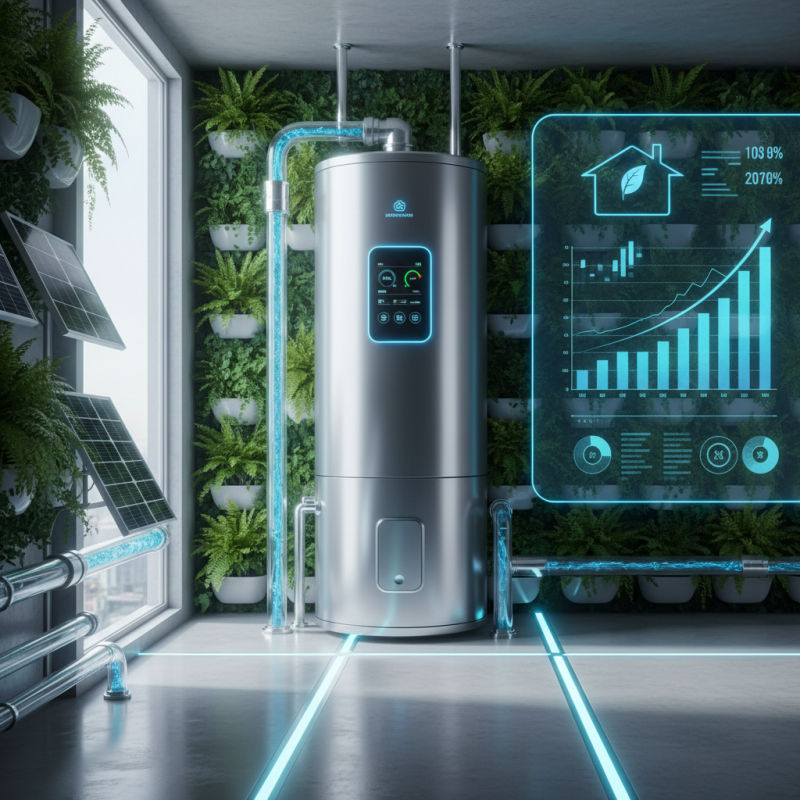
Another key trend is the incorporation of renewable energy sources. Systems that integrate solar panels are gaining traction. They enable users to harness solar energy to heat water, offering a sustainable alternative. However, not all homes are suited for such installations. The effectiveness often hinges on local climate and the home's orientation. As technology advances, consumers must weigh these factors when considering their options for the future.
Energy Efficiency Innovations Reshaping Consumer Choices
As energy efficiency becomes a key consideration for consumers, innovations in electric water heaters are gaining traction. Homeowners are now more aware of their energy use. This awareness drives interest in advanced technologies, making them rethink their choices. Electric water heaters are evolving to meet these demands, focusing on reducing energy consumption.
New models incorporate smart thermostats and predictive algorithms. These features help optimize heating schedules, thereby empowering users to save more energy. The result? Lower utility bills and a smaller carbon footprint. Many consumers find this balance appealing. However, it can be confusing to navigate these new options.
Tips for selecting an energy-efficient electric water heater: First, look for models with high energy star ratings. A higher rating typically indicates better efficiency. Additionally, consider the size and capacity that suits your household's needs. Oversized units can lead to wasted energy. Lastly, evaluate the long-term savings versus the initial investment. In some cases, upfront costs may deter buyers, but the longevity and efficiency gained often justify the price.
Smart Features: The Rise of Connected Electric Water Heaters
In the world of electric water heaters, smart features are transforming how we manage our home's hot water. These connected devices integrate seamlessly with smart home systems. They allow users to control settings remotely via smartphones or tablets. Imagine adjusting water temperature or scheduling heating times even when you're away. This convenience is appealing to many homeowners.
Customization is another key trend. Some electric water heaters now learn user habits. They can optimize heating schedules based on daily routines. However, this technology isn't infallible. Users might find that the heater doesn't always predict their needs accurately. This can lead to unexpected cold showers or wastage of energy when not needed.
Security is crucial as these devices connect to home networks. Vulnerabilities can open doors for cyber threats. Consumers must ensure their devices are updated regularly. Just like any technology, there is a learning curve with smart water heaters. Users might initially struggle with setup and troubleshooting. Embracing the learning process can enhance the overall experience.
Sustainable Practices: Eco-Friendly Trends in Electric Water Heating
As the demand for eco-friendly solutions rises, electric water heating is evolving. Many homeowners now seek systems that focus on sustainability. These systems aim to reduce energy consumption and lower carbon footprints. Innovative technologies like heat pump water heaters are gaining traction. They leverage ambient air to heat water, ensuring efficiency and sustainability.
Another significant trend is the integration of smart technology. Smart thermostats now allow users to monitor and control water heating remotely. This can lead to better energy management. However, user engagement is crucial. Some find the learning curve challenging. Feedback from users can enhance functionality and usability.
Incorporating renewable energy sources is also trending. Solar panels can now work in tandem with electric water heaters. This combination leads to significant energy savings. Still, reliance on sunlight can pose challenges. Geographic and seasonal factors may affect efficiency. Consumers must weigh the benefits against potential limitations. This evolving landscape presents both opportunities and areas for improvement in sustainable water heating practices.
2026 Electric Water Heater Trends: Eco-Friendly Practices
Market Insights: Consumer Preferences and Future Projections
As the electric water heater market evolves, consumer preferences shift significantly. Buyers are increasingly focused on energy efficiency. Many seek models that not only save on utility bills but also reduce their carbon footprint. Enhanced insulation technology is a primary feature. It helps maintain temperature longer, thus cutting energy consumption. This aligns with the growing emphasis on sustainable living.
In addition to efficiency, consumers prefer smart home integration. Water heaters that connect to home automation systems grab attention. These systems offer real-time monitoring and control through mobile apps. Buyers appreciate the convenience and the ability to optimize energy usage. However, consumers sometimes struggle with the complexity of installation and maintenance.
Affordability remains a key concern. While advanced features attract buyers, price sensitivity influences decisions. Lower-income households might hesitate to invest in high-tech models. This presents a challenge for manufacturers wanting to cater to diverse markets. Trends indicate that while innovation is crucial, manufacturers must balance cost and features to meet all buyer segments.